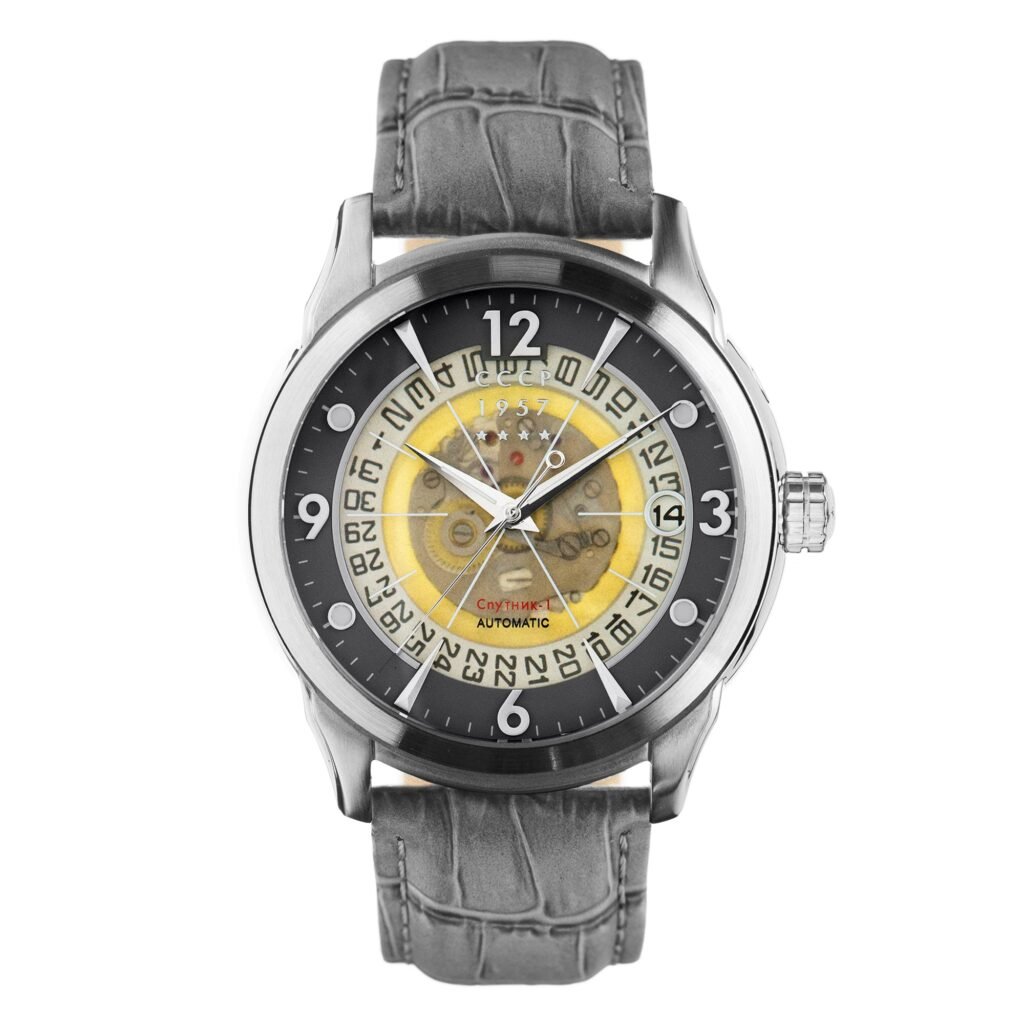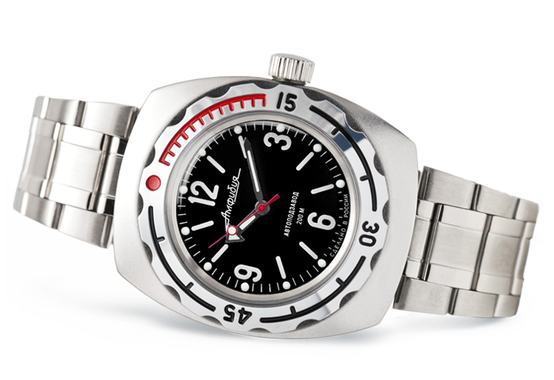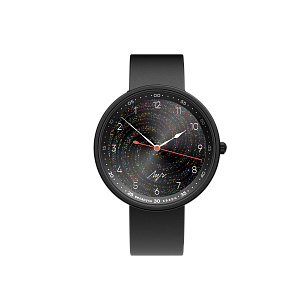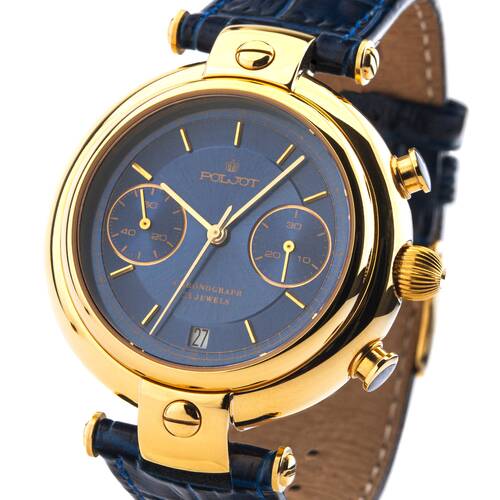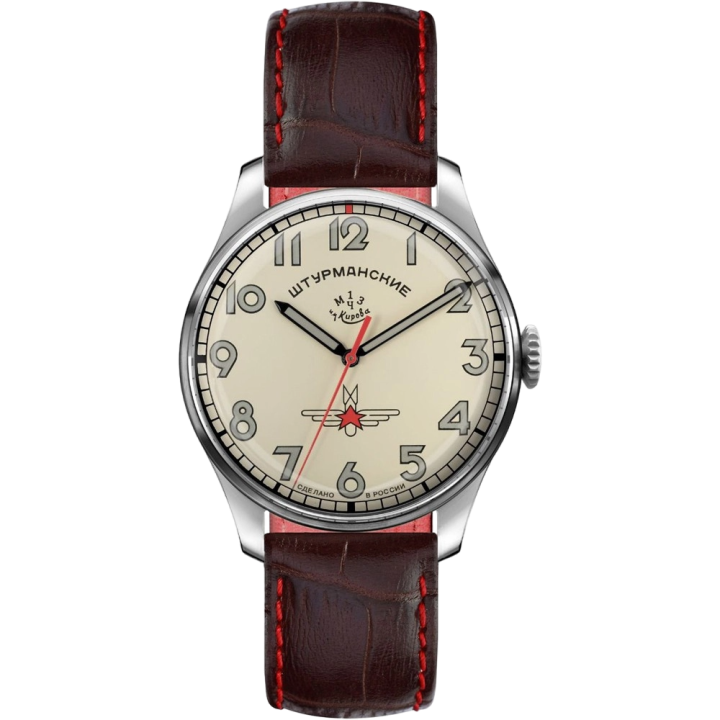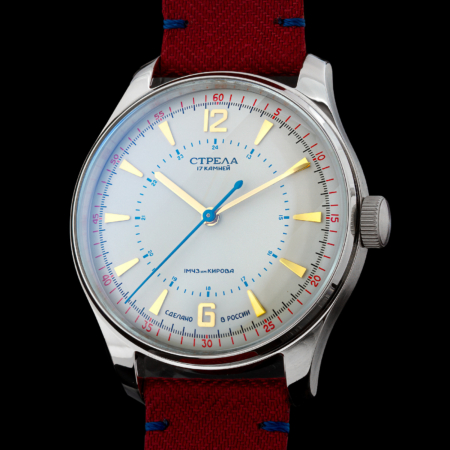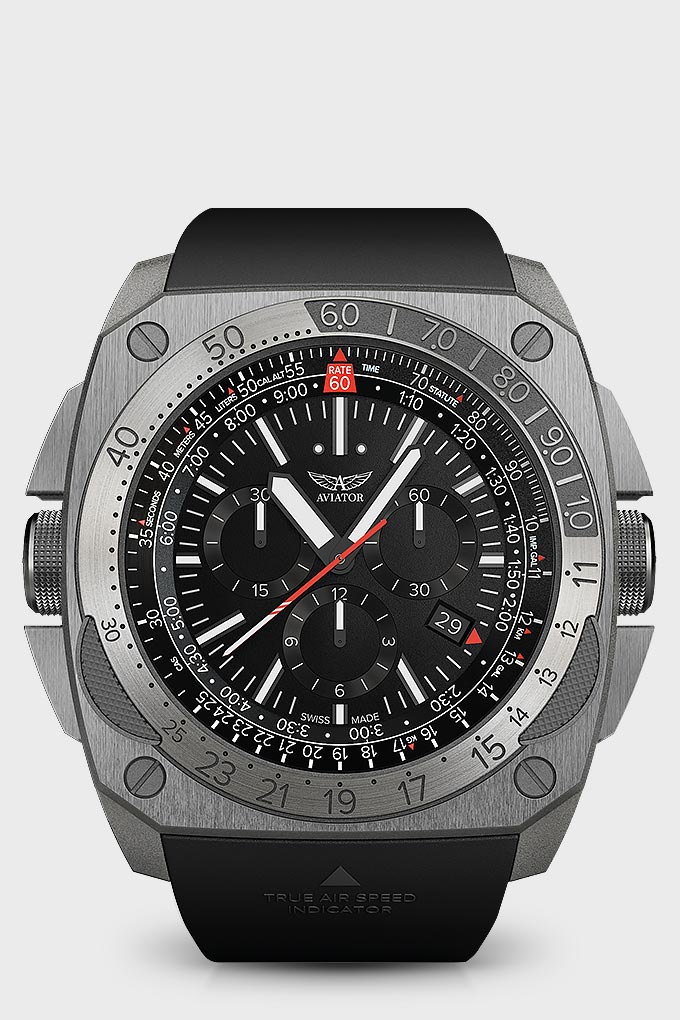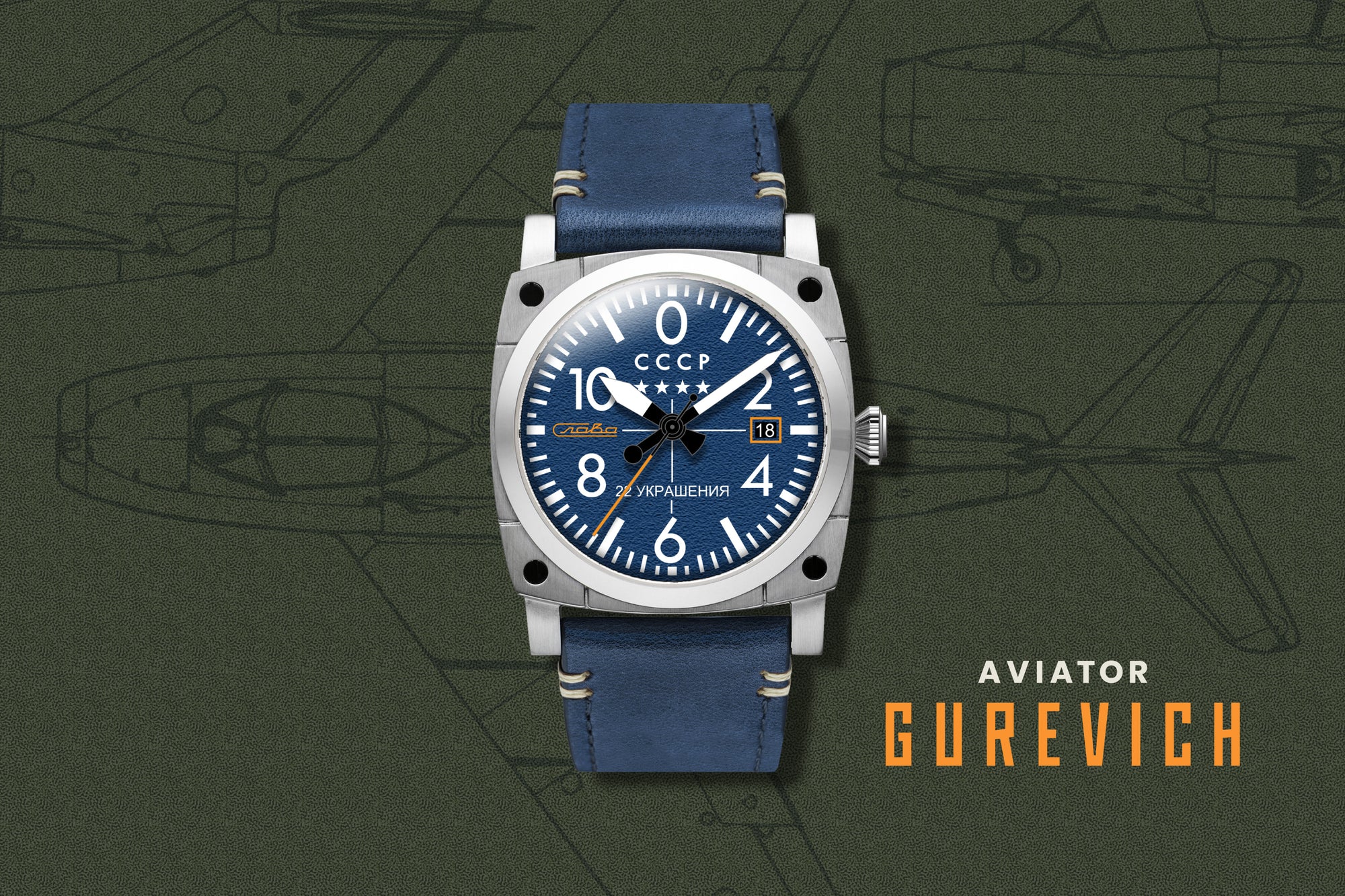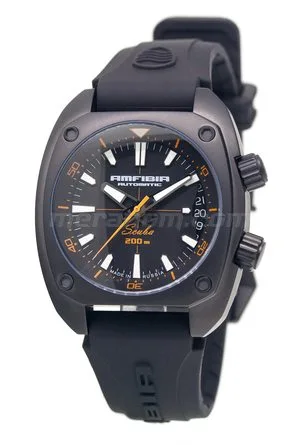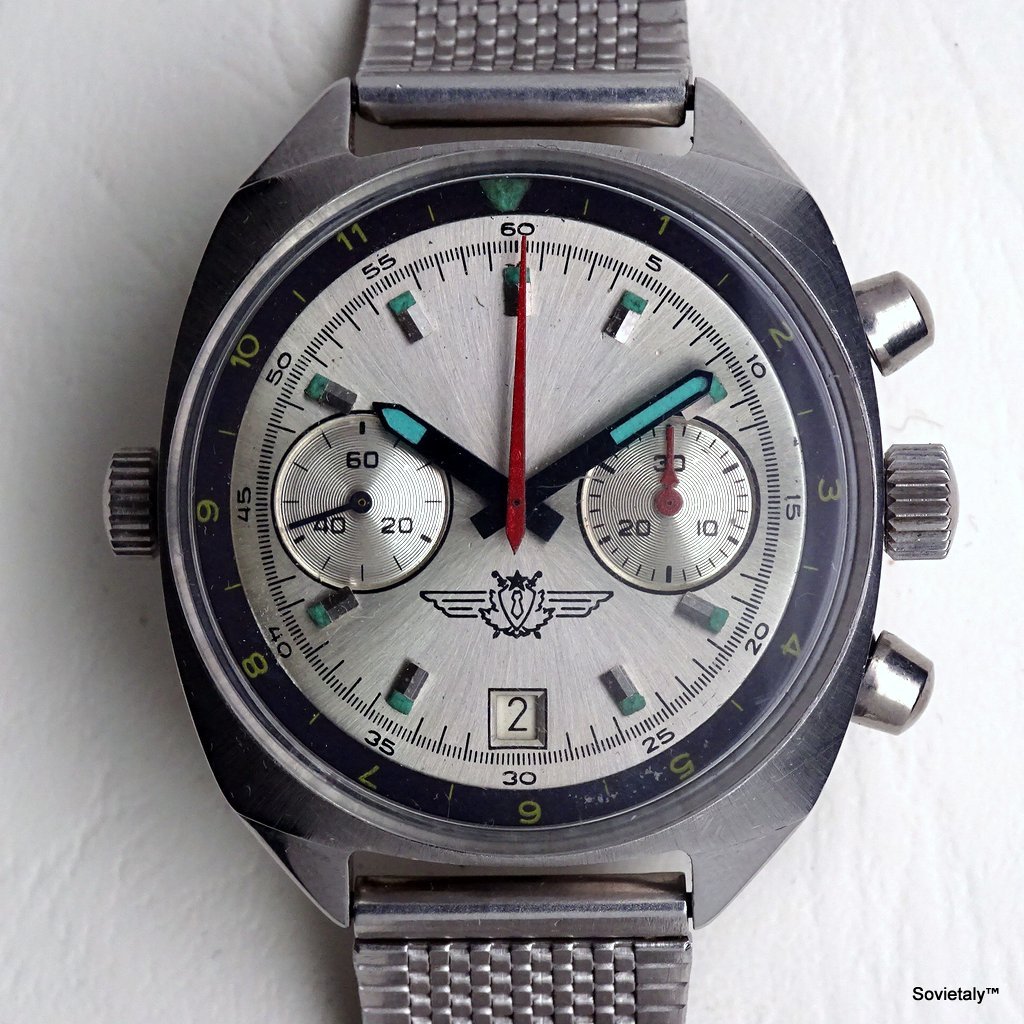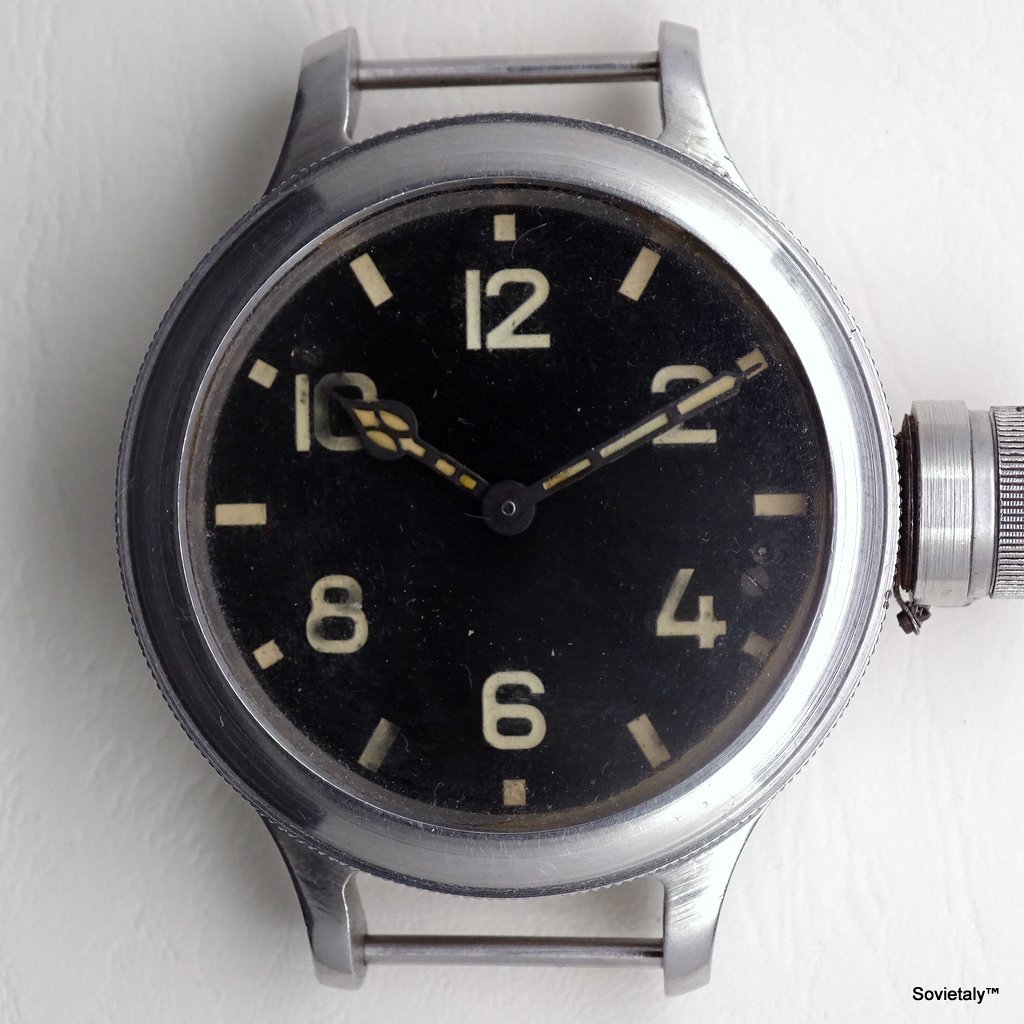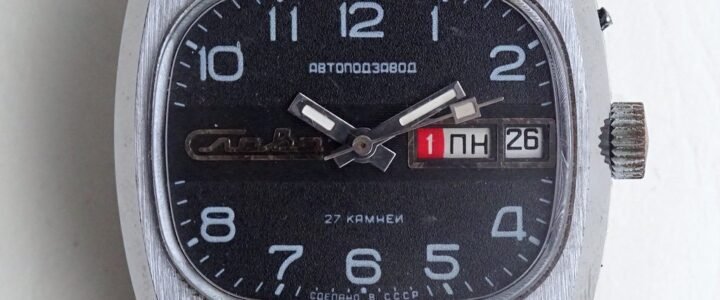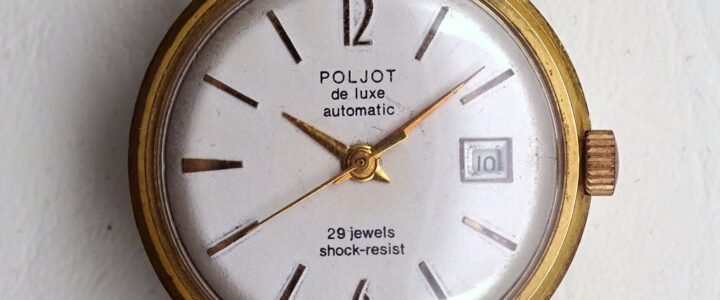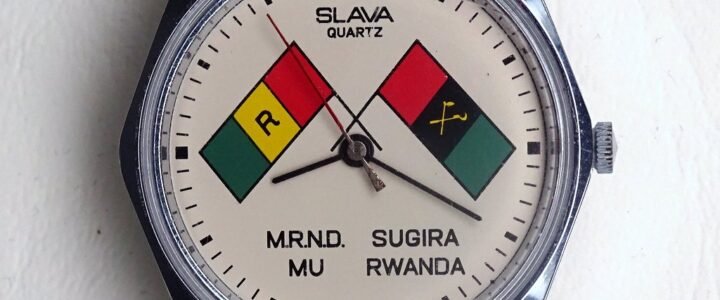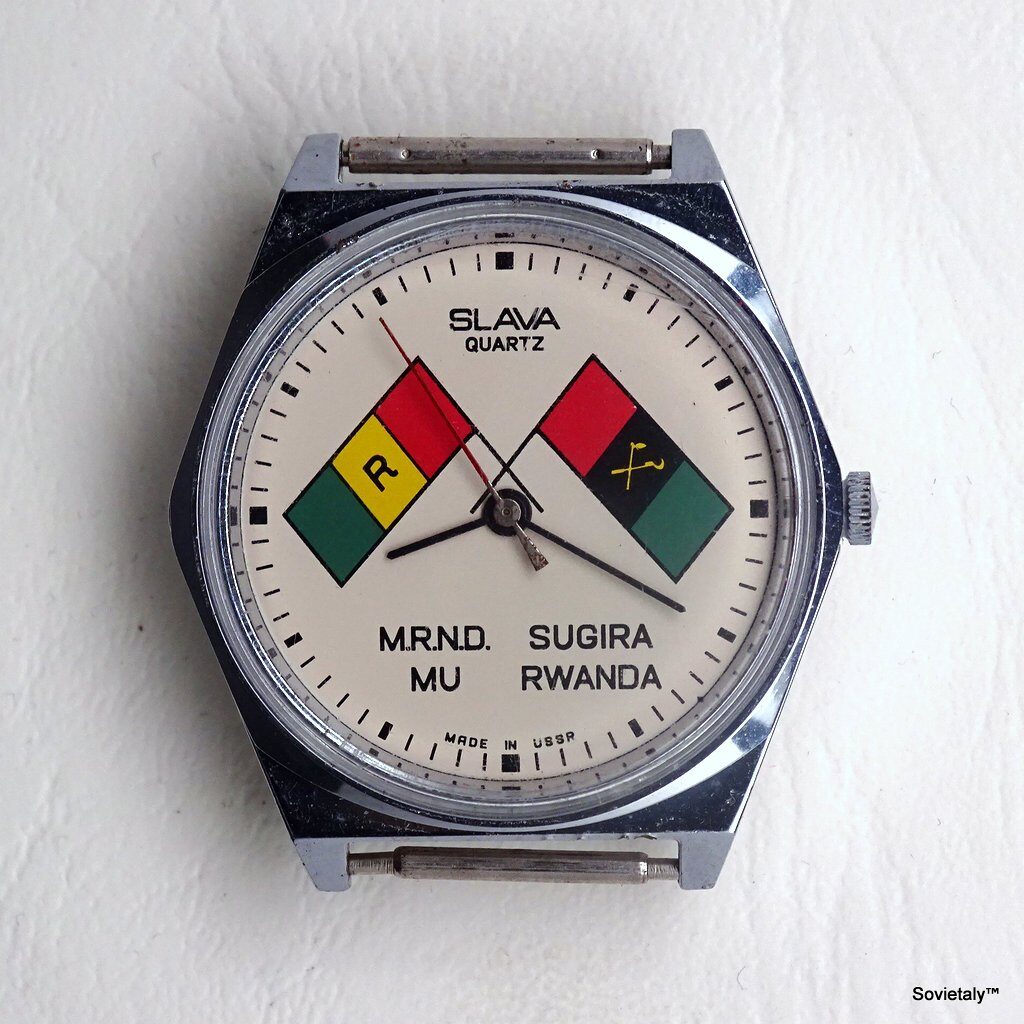
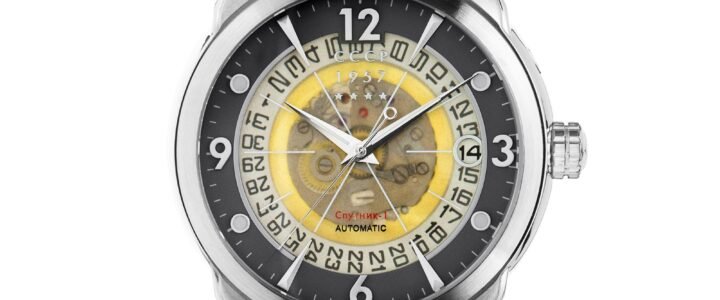
The history of Slava, one of the most iconic brands in Russian watchmaking, begins with the foundation of the Second Moscow Watch Factory. This article explores the origins, development, challenges, and evolutions of this historic factory up to its current state.
Origins of the Second Moscow Watch Factory
Founded in 1924, the Second Moscow Watch Factory was one of the first non-military watch manufacturers in the Soviet Union. In 1929, the Soviet Union acquired two American watch factories, the Dueber-Hampden Watch Company and the Ansonia Clock Company, to start its own watchmaking industry (Wixsite) (Wixsite). Official watch production began in 1931, using the equipment purchased from the Ansonia Clock Company.
During World War II, the factory was evacuated to Chistopol and focused on producing military equipment. After the war, the factory returned to Moscow and resumed civilian watch production (Two Broke Watch Snobs) (Wikipedia).
The Birth of the Slava Brand
In the 1950s, the factory began producing watches under the brand name “Slava,” which means “glory” in Russian. This brand was distinguished for producing watches exclusively for civilian consumption, without military or aerospace pretensions (Wixsite) (Wikipedia).
Innovations and Awards
The Slava factory was innovative from its early years. In the 1960s, it introduced the “Slava Transistor,” a watch with an electronic movement that won a gold medal at the Leipzig Fair in 1964 (DuMarko) (Слава – Русские часы). Other significant awards include the gold medal at the Brno International Fair in 1974 and another gold medal at the Leipzig Fair in 1975 for models with a 24mm caliber (Слава – Русские часы).
Expansion and Collaborations
From 1955 to 1979, Slava exported up to 50% of its production to over 72 countries. It collaborated with other Soviet manufacturers like Raketa and Vostok to develop advanced movements (DuMarko) (Слава – Русские часы).
Challenges of Privatization
After the fall of the USSR, the Slava factory faced numerous difficulties. During the privatization of the 1990s, many movements were exported to China and Hong Kong to produce cheap counterfeits, damaging the brand’s reputation (Wikipedia) (Слава – Русские часы).
Revival and Current Situation
In 2005, the factory and the Slava brand were acquired by Globex Bank and later transferred to the city of Moscow. The production facilities near Belorusskaya metro station were demolished in 2008 to make way for a shopping center, while wristwatch production was maintained and integrated into the Slava Technopark (Wikipedia) (Слава – Русские часы).
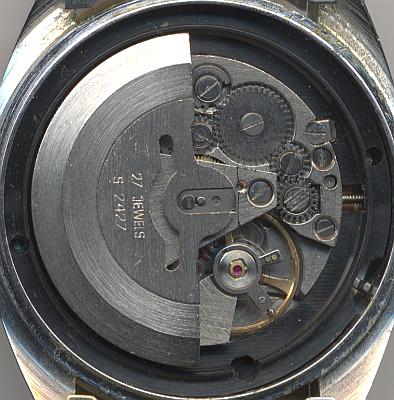
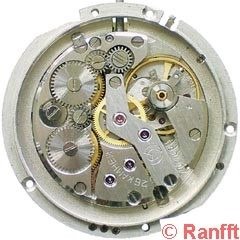
Since 2016, Slava has been using movements produced by the Chistopol Watch Factory “Vostok” for its new models (Слава – Русские часы). Today, production continues with new models inspired by historic designs, such as “Slava Televisor,” “Era,” “Mir,” “Sadko,” “Ais,” and “Doctor,” using the original Slava 2427 movements (Слава – Русские часы).
Anecdotes and Trivia
An interesting fact is about the “Slava Transistor” model, which won a gold medal at the Leipzig Fair in 1964. This watch used an electronic movement that was innovative for its time, showcasing the factory’s technological advancement (DuMarko).
Another anecdote involves Slava’s appearance in the 2016 Bulgarian film “Glory” (original title “Slava”), where the protagonist’s Slava watch plays a key role in the plot (Wikipedia).
Conclusion
The history of Slava is a journey through the evolution of Russian watchmaking, from its roots in the Second Moscow Watch Factory to its current production of innovative models. Despite the challenges of privatization and counterfeiting, Slava continues to represent excellence in watchmaking.
For more information and updates on new Slava models, visit the official Slava website.
The “history of Poljot” begins with the establishment of the First Moscow Watch Factory (Первый Государственный Часовой Завод) in 1930, a key event within the framework of the first Soviet Five-Year Plan. This plan, launched in 1928, aimed to develop heavy industry and modernise the Soviet economy, and the creation of a state-owned watch factory was a significant part of this effort. On December 21, 1927, the Council of Labour and Defence approved a resolution to organise watch production in the USSR, with the goal of producing watches that were comparable in quality and precision to those from Switzerland and the United States (Poljot Watch) (Moscow Watch).
Foundation and Early Years
The Birth within the Context of the Five-Year Plan
To achieve this goal, a group of Soviet engineers was sent to the United States to study production techniques. In 1929, the Soviet government purchased machinery and equipment from the Dueber-Hampden Watch Company in Canton, Ohio, and the Ansonia Clock Company in Brooklyn, New York. These machines were transported to Moscow, along with 23 American technicians, to initiate production (Caliber Corner) (KaminskyBlog).
Initial Production Years
Construction of the factory began in February 1930 and was completed by June of the same year. Official production started on October 1, 1930, with the first 50 pocket watches, known as Type-1 or К-43, based on the Hampden Size 16 calibre. Despite initial difficulties, including a shortage of skilled workers and frequent machinery breakdowns, production rapidly improved thanks to intensive worker training and the establishment of a repair workshop (Moscow Watch).
Expansion and Development
Dedication to Kirov and Production Growth
In 1935, the factory was renamed in honour of Sergei Kirov, a Bolshevik leader who had been assassinated. This event marked a period of expansion, with production reaching 450,000 pieces per year and the beginning of special watch production for cars and aeroplanes (Moscow Watch).
Evacuation during World War II
During World War II, the factory was evacuated to Zlatoust due to the advancing German forces. However, part of the equipment was brought back to Moscow in 1943, and the factory resumed production, focusing on wristwatches. This period also marked the beginning of the production of the renowned Pobeda watch (KaminskyBlog).
The Birth of the Poljot Brand
Name Change and New Models
In 1947, the factory was renamed the First Moscow Watch Factory and started producing the Pobeda wristwatch. In the 1950s, the factory became well-known for numerous innovative models, including the first Soviet automatic watches and special watches for Antarctic expeditions (Moscow Watch) (Poljot Watch).
Introduction of the Poljot Brand
In 1964, all previous brands were consolidated under the name Poljot, which means “flight” in Russian. Poljot quickly became the flagship brand of the Soviet watch industry, producing historical watches used in important space missions, including those worn by Yuri Gagarin, the first man in space (Poljot Watch).
Decline and Post-Soviet Transformation
Decline in the 1980s and 1990s
In the 1980s, the quality of Soviet watches began to decline due to economic stagnation and technological difficulties. After the collapse of the USSR in 1991, the Poljot factory was privatised and transformed into a joint-stock company in 1992. However, financial and managerial difficulties continued to plague the company (KaminskyBlog).
Establishment of Volmax and Maktime
Volmax was founded in 2000 by a group of former Poljot employees. The company focused on producing high-quality watches using historical Poljot designs and movements. Brands such as Aviator, Buran, and Sturmanskie were revived under Volmax, keeping the Russian watchmaking tradition alive (Moscow Watch) (KaminskyBlog).
Maktime, founded in 1996, acquired machinery and equipment from Poljot, including those necessary to produce the famous calibre 3133. Maktime continued the production of this movement and introduced various exclusive watch models, including skeleton watches with precious metal cases and decorations with precious stones (Caliber Corner).
Key Brands of the First Moscow Watch Factory
Brand
Description
Poljot
Means “flight” in Russian; introduced in 1964, becoming the main brand for export and domestic markets.
Pobeda
Means “victory” in Russian; one of the first watches produced after World War II.
Sturmanskie
Worn by Yuri Gagarin on his first space flight; means “navigator”.
Kirovskie
Named in honour of Sergei Kirov; one of the first brands after the factory’s name change in 1935.
Mayak
Means “lighthouse” in Russian; one of the brands used in the 1950s and 1960s.
Moskva
Means “Moscow” in Russian; used in the 1950s.
Rodina
Means “motherland” in Russian; the first Soviet watch with an automatic winding function.
Sportivnie
Means “sporting” in Russian; watches with chronograph functions.
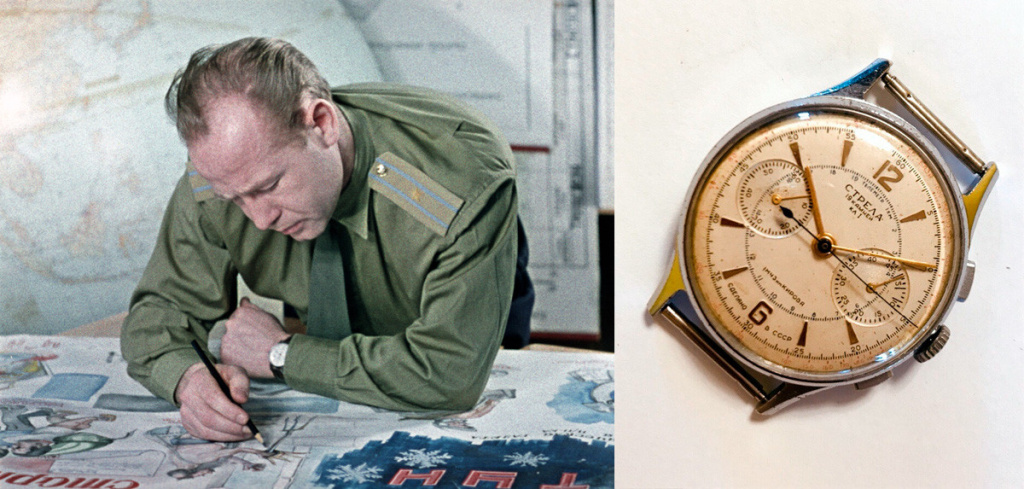
Means “arrow” in Russian; worn by Alexei Leonov during the first spacewalk.
Vympel
A brand for high-precision watches.
Buran
Also used for more recent models.
Aviator
Mainly used for aviator watches.
Main Calibres Produced
Mechanical Calibres
Calibre 3133: Based on the Valjoux 7734, this is one of the most renowned chronograph movements.
Calibre 2612: Mechanical movement with an alarm function.
Calibre 2609: Used in Sturmanskie watches.
Quartz Calibres
Calibre 2416: Quartz movement used in various Poljot models in the 1980s and 1990s.
Calibre 2431: Another quartz movement produced in the later years of Poljot’s operations.
Conclusion
The “history of Poljot” is a journey through decades of technological and historical changes, consistently maintaining the high quality and craftsmanship of Russian watches. The legacy of Poljot continues to live on through the efforts of Volmax and Maktime.
Description and Features of the Raketa Aspol Watch
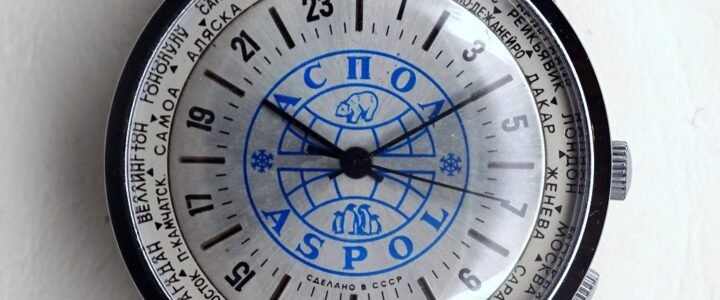
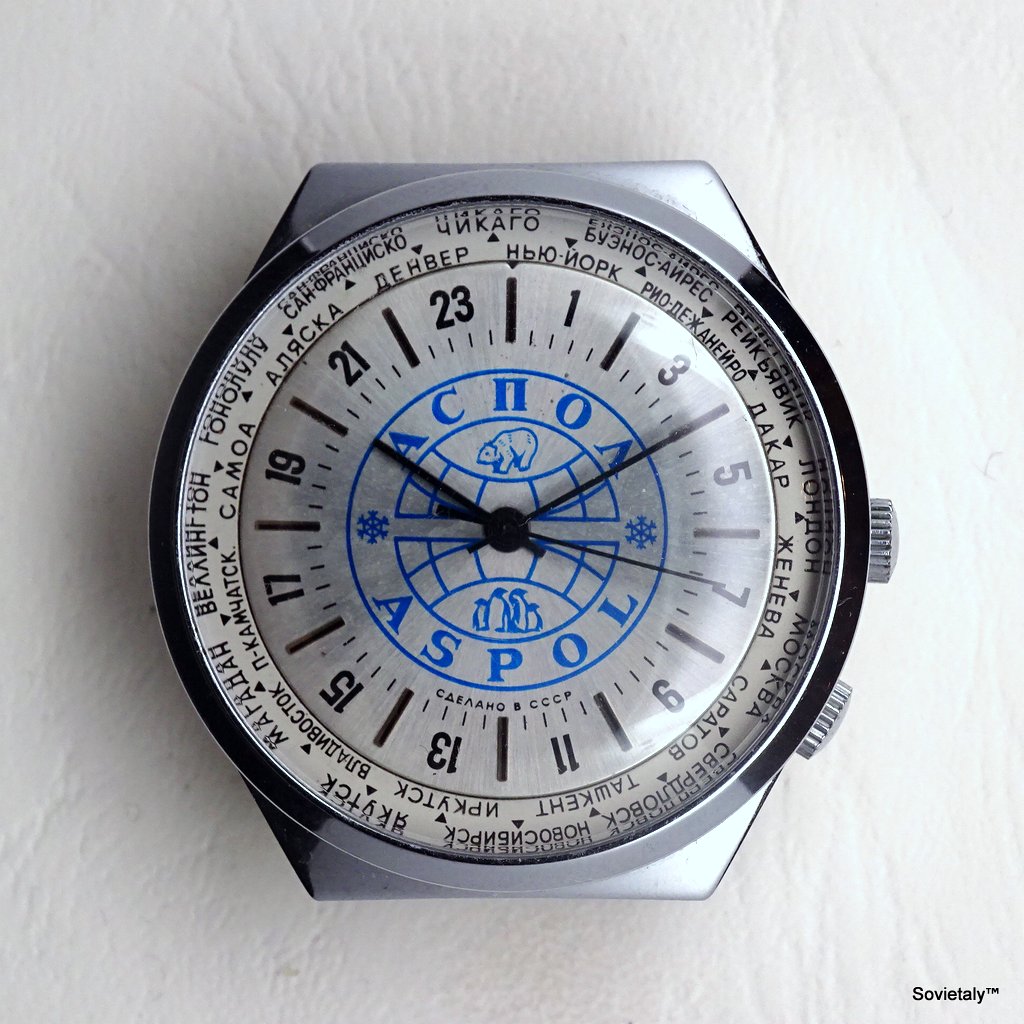
The Raketa Aspol watch is a rare and fascinating piece, created to celebrate polar explorations and honour the explorers associated with the Association of Polar Explorers (ASPOL). This watch stands out not only for its design but also for its historical and collectible value.
Raketa ASPOL Blue
Technical Specifications
Movement: Calibre 2623H manual wind, known for its robustness and accuracy, with a 24-hour format.
Case: Made of chrome-plated brass, giving the watch a shiny and durable appearance.
Crystal: Plexiglass, lightweight and impact-resistant.
Dial: Available in two colour variants – blue and red. The red version is particularly rare and sought after by collectors.
The Commemorative Raketa Aspol Dial
The dial of the Raketa Aspol watch is rich with symbols and inscriptions celebrating polar heritage:
Central Globe: Represents the significance of polar explorations, with a polar bear at the centre, symbolising ASPOL.
Aspol Inscriptions: The association’s name is present in both Cyrillic (АСПОЛ) and Latin (ASPOL), emphasising the connection to polar explorations.
City Names: Lists various cities around the world, facilitating time reading across different time zones.
The Association of Polar Explorers (ASPOL)
Founded in 1990 during the All-Union Congress of Polar Explorers, the ASPOL aims to protect the interests of polar workers and indigenous peoples of the Far North. The association plays a crucial role in implementing Russia’s state policy in the Arctic and Antarctic.
ASPOL’s Mission and Activities
ASPOL is involved in various areas, including:
Environmental Sustainability: Promotes projects and policies for the environmental protection of polar regions.
Education and Culture: Organises events such as the International Forum “Arctic: Today and the Future” and celebrates “Polar Explorer Day” on May 21st, commemorating the first scientific expedition to the “North Pole-1” station.
International Collaboration: Facilitates cooperation between governmental entities, scientific institutions, and non-profit organisations for the sustainable development of polar regions.
Historical Facts and Soviet Legacy Related to the Raketa Aspol Watch
During the Soviet era, polar explorations were a scientific and strategic priority. Polar expeditions, like the “North Pole-1” station in 1937, collected crucial scientific data and contributed to the understanding of atmospheric processes in the Arctic.
Artur Chilingarov and ASPOL
Artur Chilingarov, president of ASPOL and special representative of the President of the Russian Federation for international cooperation in the Arctic and Antarctic, is a key figure in promoting polar explorations. Under his leadership, ASPOL continues to support scientific research and environmental protection in polar regions.
Conclusion
The Raketa Aspol watch is not just a piece of Soviet horological history but also a tribute to polar explorations and the men and women who dedicated their lives to these missions. Its rarity, especially the red dial variant, makes it a highly valuable item for collectors and history enthusiasts.
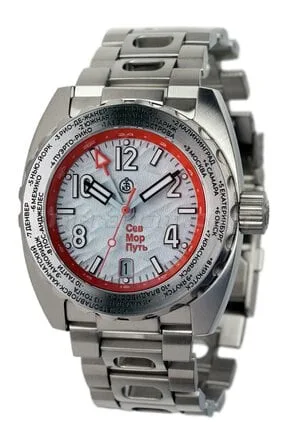
For more information about ASPOL and its activities, visit the official website: ASPOL.
Slava watches are renowned for their quality and reliability, and the Slava California watch is no exception. Produced by the Second Moscow Watch Factory, this watch stands out not only for its unique design but also for its historical and technical significance. In this article, we will explore the features of the Slava California watch, the Slava 2428 caliber, and the fascinating stories behind the famous “California” dial used by Rolex and Panerai.
Description of the Slava California Watch
Slava California
Design and Case
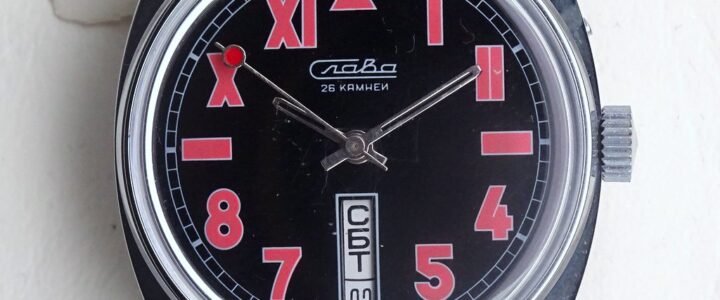
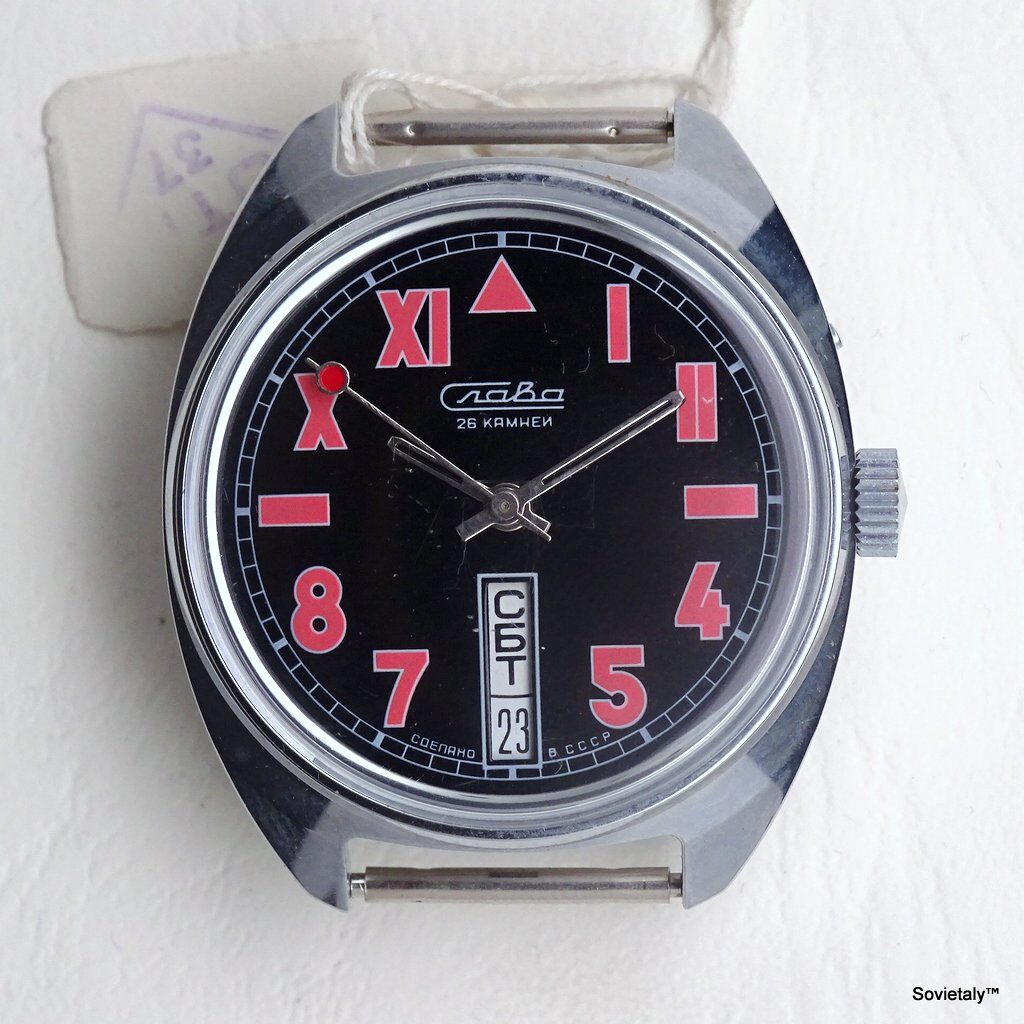
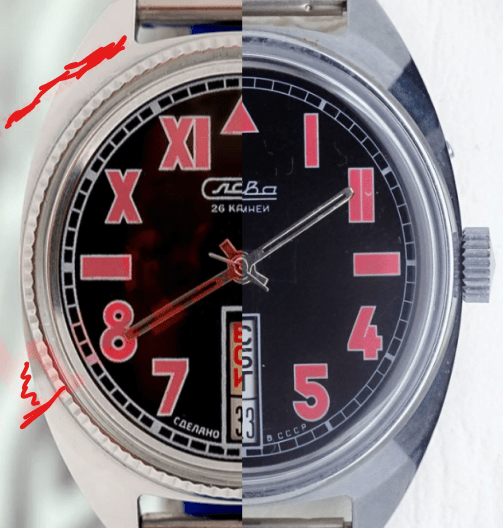
The Slava California watch is easily recognizable by its distinctive dial, featuring a combination of Roman numerals on the upper half and Arabic numerals on the lower half. This unique design is complemented by:
Chrome-Plated Brass Case: The brass case with chrome plating gives the watch an elegant appearance, though it is less resistant to everyday wear. Over time, the chrome can deteriorate with daily use and contact with sweat.
Black Dial: The black background of the dial provides perfect contrast with the pink hour markers outlined in gray, enhancing readability.
Minute Markers: Gray, aligned along the railroad track surrounding the dial.
Polished Metal Hands: The hands, without luminous material, feature a hollow interior, while the second hand is distinguished by a red “lollipop.”
Date Display at 6 o’clock: The date display at 6 o’clock allows for vertical reading of the date and day, a practical and distinctive feature.
Technical Details of the Slava 2428 Caliber
The heart of the Slava California watch is the Slava 2428 caliber, a manual winding mechanical movement known for its reliability. Here are the technical specifications:
Dimensions: 13 lines (32.2 mm diameter).
Height: 4.85 mm.
Power Reserve: 47 hours.
Frequency: 18,000 vibrations per hour (vph).
Jewels: 17.
Complications:
Sweeping Seconds.
Day and Date.
Regulator Type: Pinned regulator (or index regulator).
Escapement Type: Swiss lever escapement.
Winding and Setting: Stem winding, stem setting.
The Story of the California Dial: Rolex and Panerai
The “California” dial has a fascinating history involving some of the most prestigious watch brands.
Origins of the California Dial
The term “California dial” originated in the 1980s when dial refinishing shops in Los Angeles, particularly on Melrose Avenue, began using the half Roman, half Arabic design to refinish vintage watch dials. This style quickly became popular among collectors of Rolex “Bubbleback” watches (Welcome to RolexMagazine.com) (Fratello Watches).
Rolex and Panerai
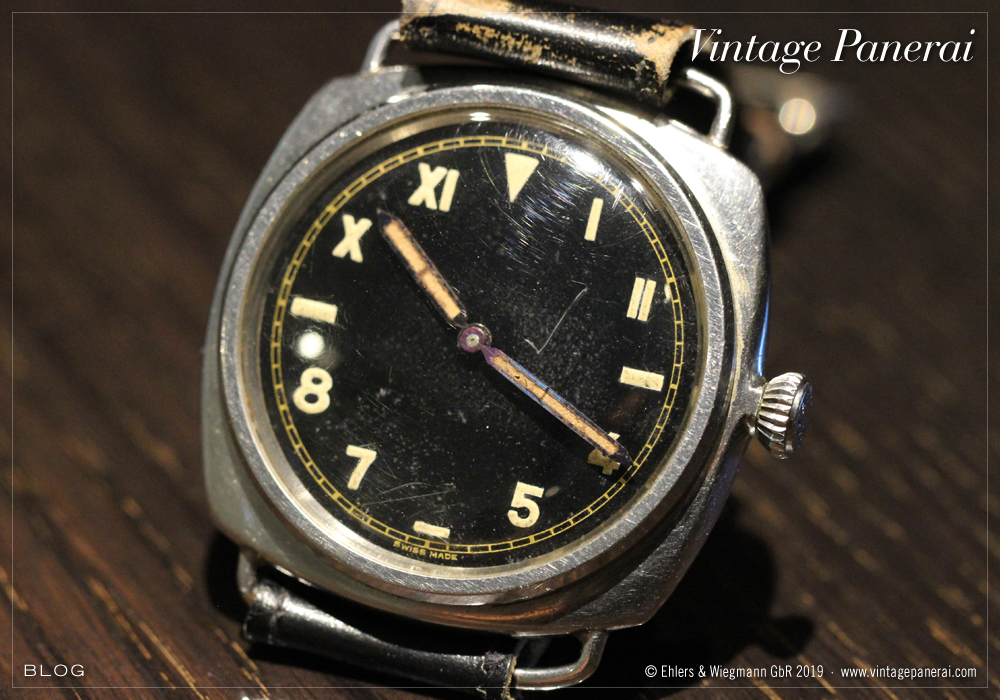
Rolex was one of the first to use the California dial in the 1930s and 1940s, particularly in models designed for Panerai, which supplied watches to the Italian Navy. These watches were known for their readability and robustness, essential features for underwater missions (Watch Swiss).
The Rolex California
The California dial of Rolex has become an icon among collectors. Initially used to improve readability in difficult conditions, it was later adopted by various vintage models. Today, the California dial is highly sought after and represents a piece of watchmaking history.
Beware of Counterfeits
Unfortunately, with the growing popularity of the Slava California watch, unscrupulous sellers have emerged, counterfeiting California dials for these watches. Fake dials can be found on various marketplaces, so it is important to be cautious and verify authenticity before making a purchase.
The Value of the Slava California Watch Among Collectors
The Slava California watch has become highly sought after among collectors. The combination of unique design, fascinating history, and technical reliability has increased its market value. Currently, a Slava California in excellent condition can fetch between 300 and 350 euros.
Conclusion
The Slava California watch is more than just a timepiece; it is a piece of watchmaking history. With its distinctive design and robust Slava 2428 caliber, it continues to captivate collectors worldwide. Whether you are a vintage watch enthusiast or a collector seeking unique pieces, the Slava California is an excellent choice.
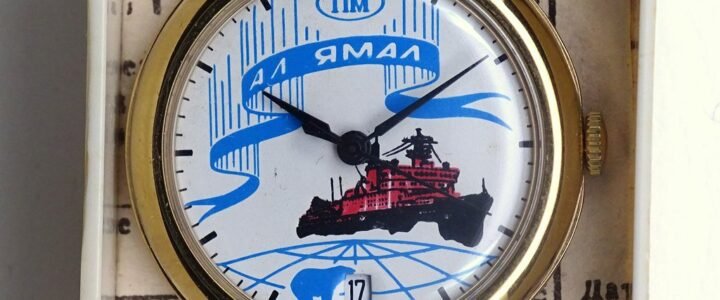
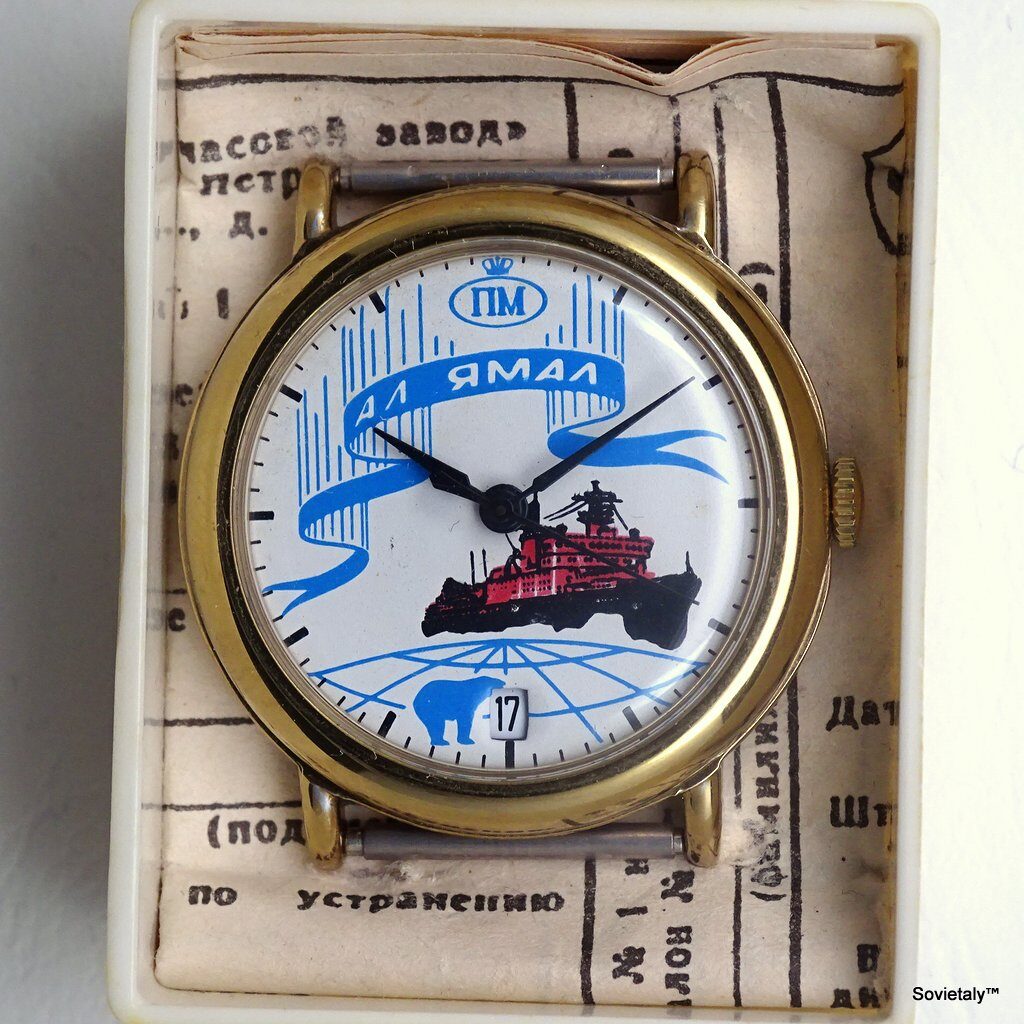
In the late 1980s, during the Perestroika period, the Peterhof Watch Factory saw the emergence of several cooperatives, including the renowned “Peterhof Masters”. One of their most iconic creations is the Raketa watch commemorating the nuclear icebreaker “Yamal”. This article explores the distinctive features of this rare watch, highlighting its design and the historical context in which it was produced.
The Raketa Yamal watch boasts several distinctive elements:
Case: Made of gold-plated brass with a TiN-finished bezel, measuring approximately 36 mm in diameter.
Dial: The dial features a detailed print of the nuclear icebreaker Yamal. It is signed “P.M.” (Peterhof Masters). Within the image, the initials “A.L.M.” (Atomnyy Ledomkol Yamal) are part of the commemorative illustration. The blue lines at the top of the dial represent a stylized aurora borealis, a typical graphic element of polar watches. This design predates the addition of the famous shark mouth painted on the ship’s hull in the 1990s.
Hands: Black dagger-shaped hands, including the second hand.
Movement: Equipped with a mechanical 2614 movement from a Russian factory, with an unengraved bridge, marked “2614” and the “Angels” logo.
Case Back: Pressure-fitted steel case back without inscriptions.
The video presents a rare watch from the late 1980s called the Atomic Icebreaker Yamal, produced by the Peterhof Masters cooperative. The watch is distinguished by its dial printed with the image of the Yamal atomic icebreaker and the date at 6 o’clock, signed “П.М.” (Peterhof Masters) and “АЛМ” (Atomic Icebreaker Yamal). Classic baton hands for hours and minutes and a red seconds hand complete the design. The chrome-plated brass case with a smooth finish, the plexiglass crystal and the black leather strap give the watch an elegant and robust appearance. The snap-back case back hides a late-model Russian 2614 mechanical movement, with a flat mainspring, shock absorber under the anchor and balance wheel without a regulating screw. A rare and fascinating watch, which captures attention for its unique design and its history linked to the late 1980s and the Peterhof Masters cooperative. A true collector’s item for fans of vintage watches and Russian history.
The Peterhof Watch Factory Cooperatives
During Perestroika, the historic Peterhof Watch Factory, also known as Raketa, gave rise to three unique cooperatives: Renaissance, Prestige, and Peterhof Masters. These cooperatives represent a fascinating chapter in Soviet watch history, characterized by high quality and innovative designs.
Renaissance: Specialized in watches with semi-precious stone dials like jade, jasper, malachite, and nephrite.
Prestige: Known for its mirror dials with religious themes and images of churches.
Peterhof Masters: Focused on producing watches with printed dials on various themes, often decorated with high-quality naval and military images. The commemorative Yamal watch is one of their most iconic models.
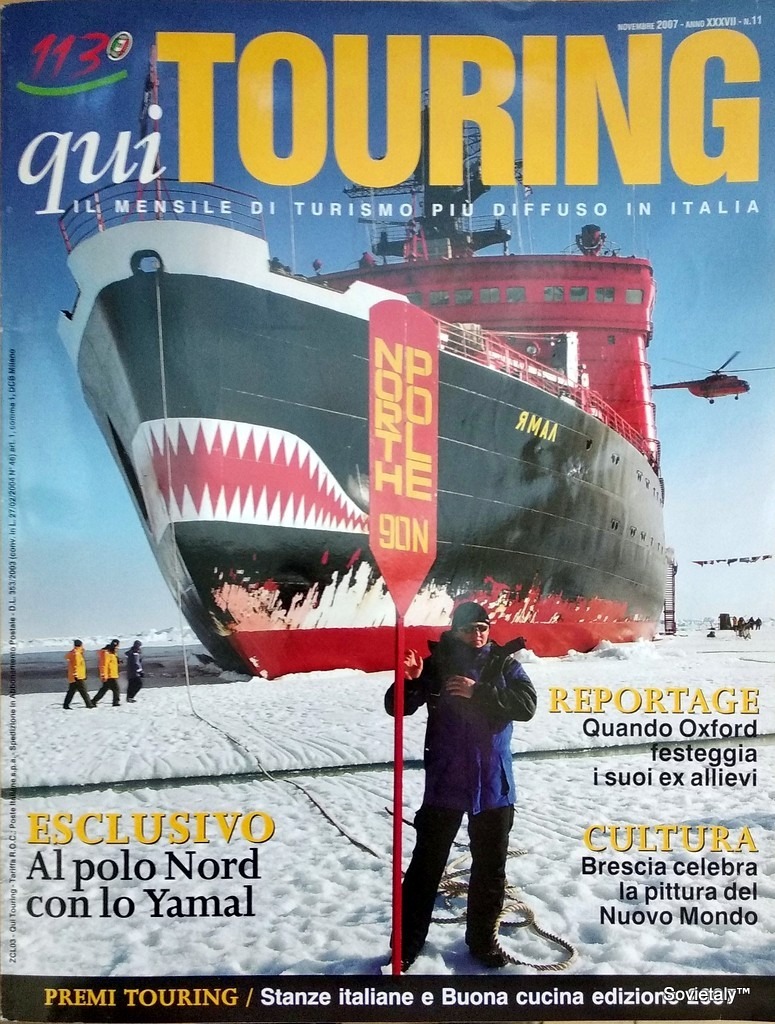
The Yamal Icebreaker
The Yamal is one of the nuclear icebreakers of the Arktika class, built to operate in harsh Arctic conditions. Here are some of its main technical characteristics:
Nuclear Reactors: Equipped with two OK-900A nuclear reactors, each with a capacity of 171 MW, for a total thermal power of 342 MW.
Power: The maximum propulsion power is 75,000 horsepower (approximately 55.3 MW), distributed over three four-blade propellers, each 5.7 meters in diameter.
Dimensions: Length of 148 meters, width of 30 meters, draft of 11.08 meters, height from keel to masthead of 55 meters.
Displacement: 23,455 tons.
Speed: Maximum speed in open water of 22 knots (about 40 km/h) and the ability to break ice up to 2.3 meters thick at a speed of 3 knots (about 5.5 km/h).
Hull Structure: The outer hull is 48 mm thick in areas in contact with ice and 25 mm elsewhere, with a polymer coating to reduce friction. It uses an air and hot water bubble system to facilitate icebreaking.
The Yamal is known for its ability to navigate through thick Arctic ice, thanks to its powerful nuclear reactors and advanced icebreaking technologies. It has played a significant role in creating annual travel expeditions to the North Pole, being one of the few ships capable of reaching this destination and safely transporting tourists (CruiseMapper) (Wikipedia).
Tourist Cruises
The Yamal offers tourist cruises to the North Pole, a unique experience for adventurers. These cruises typically depart from Murmansk, Russia, and prices for a 14-day cruise can be around $30,000 per person. The cruises include various activities such as helicopter tours, Zodiac excursions, and photography programs (Poseidon Expeditions) (Cruise Critic).
Conclusion
The Raketa Yamal watch by the Peterhof Masters cooperative is a rare and valuable piece for collectors and watch enthusiasts. It represents not only the excellence of Soviet craftsmanship but also an era of change and innovation. For more details and an in-depth look at the watch, you can consult Dmitry Brodnikovskiy’s video available on YouTube, which provides a detailed analysis of this unique model.
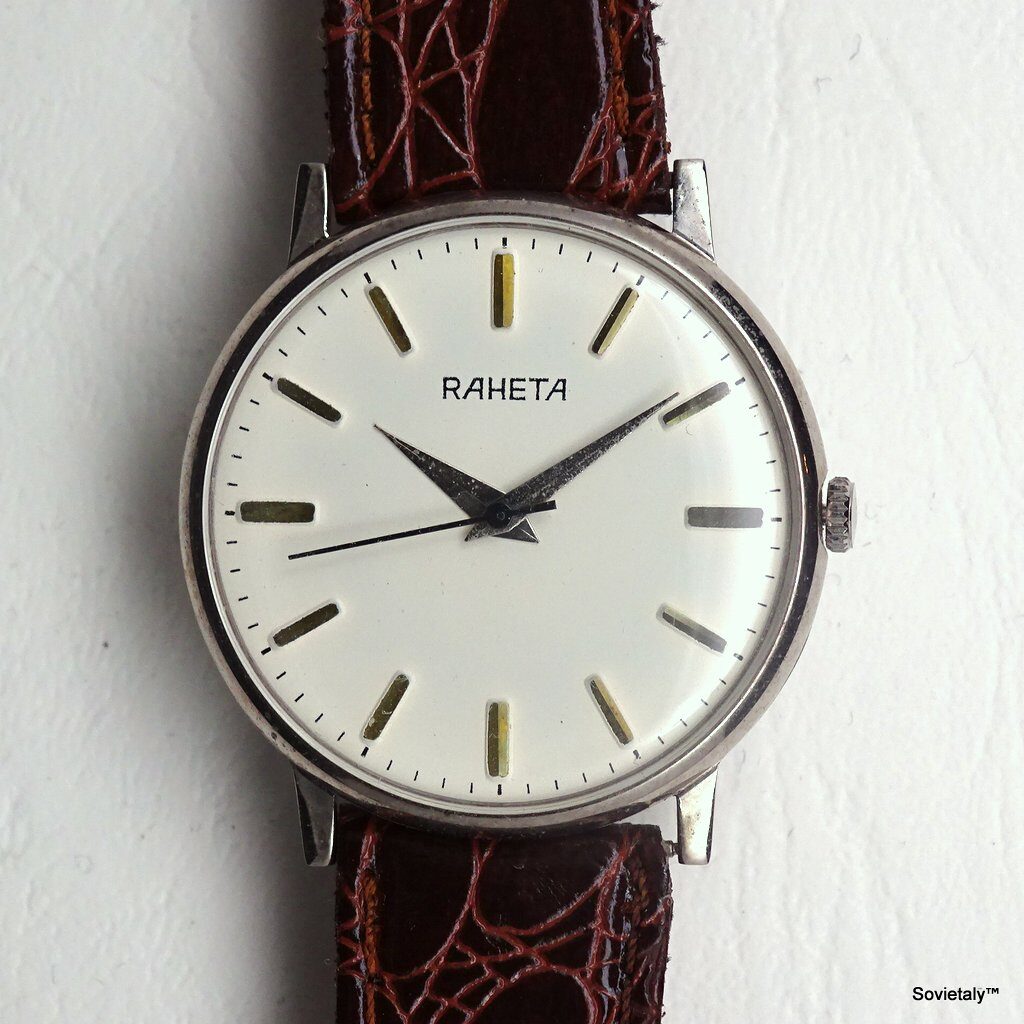
The Raheta watch brand emerged during the early 1990s, a period of significant economic and industrial transition in Russia following the dissolution of the Soviet Union. Unlike the well-documented Raketa brand, Raheta watches were produced under conditions that required ingenuity and resourcefulness.
Raheta
Distinction from Raketa
It is crucial to note that Raheta is not a misspelling of Raketa. Raheta watches were likely created by entrepreneurs who saw an opportunity to leverage the existing fame of Raketa while introducing a slightly altered brand to navigate the economic uncertainties of the time.
Production and Components
Raheta watches were primarily assembled using movements from the Zaria (Sarja) factory, specifically the Z2009B caliber with 21 jewels. These movements were known for their reliability and were often used in small ladies’ watches. The components used in Raheta watches were sourced from leftover stocks and various parts available during the post-Soviet industrial upheaval.
Market Strategy
Raheta watches were marketed towards tourists and collectors looking for unique timepieces from Russia. The brand played on the familiarity and reputation of Raketa while offering products at a more accessible price point, making them attractive souvenirs and collectibles.
Theories and Oral Histories
According to discussions on forums like Orologiko, the production of Raheta watches was driven by the need to monetize available resources and meet market demands during a period of economic hardship. The use of similar logos and brand names helped create an association with the trusted Raketa brand, although Raheta watches were distinct in their assembly and market positioning.
Conclusion
Raheta watches represent a fascinating period in Russian watchmaking history. They are a testament to the resilience and creativity of the industry during challenging times. For collectors and enthusiasts, Raheta watches offer a unique glimpse into the post-Soviet era and the adaptability of Russian horologists.
The SLAVA watch with the inscription “M.R.N.D. SUGIRA MU RWANDA” is a historical artifact that offers a glimpse into political propaganda in Rwanda before the 1994 genocide. This article explores the details of this watch, the meaning of its inscriptions and flags, and the historical context in which it was used.
Description of the Watch
The watch features a dial with two colorful flags and the inscription “M.R.N.D. SUGIRA MU RWANDA.” It is powered by a Soviet-made Slava 2356 quartz movement, known for its affordability and reliability. The “Made in USSR” mark indicates that the watch was produced before the end of 1991, the year the Soviet Union dissolved.
Slava M.R.N.D. RWANDA
The Flags
Left Flag (with the letter “R”):
Colors: Red, yellow, and green.
Symbol: The letter “R” in yellow.
Meaning: This flag was the national flag of Rwanda used from 1962 to 2001. These colors are common in Pan-African movements and symbolize national identity and Hutu nationalism. The “R” stands for “Rwanda” (Wikiwand).
Right Flag (MRND):
Colors: Red, black, and green.
Symbol: A sickle with a long handle and a hoe.
Meaning: This flag represents the MRND party (Mouvement Révolutionnaire National pour le Développement). The agricultural tools symbolize labor and are consistent with the party’s focus on agricultural and national development (Wikiwand) (Wikiwand).
The Inscription “M.R.N.D. SUGIRA MU RWANDA”
The inscription on the dial, “M.R.N.D. SUGIRA MU RWANDA,” is in Kinyarwanda. Here is a detailed explanation:
M.R.N.D: Abbreviation for “Mouvement Révolutionnaire National pour le Développement”.
SUGIRA: In Kinyarwanda, it means “prosper” or “flourish”.
MU RWANDA: Means “in Rwanda”.
The complete phrase can be translated as “The MRND prospers in Rwanda.” This slogan represents the party’s propaganda, emphasizing its dominance and influence in the country.
Propaganda Use of the Watch
The watch served as a propaganda tool for the MRND. Distributed to supporters and party members, it symbolized the MRND’s authority and pervasive presence in the daily lives of Rwandans. The “Made in USSR” mark suggests that the watch was produced before the end of 1991, probably because the Soviet Union was one of the few countries capable of mass-producing affordable watches at that time (NSUWorks) (Human Rights Watch).
The 1994 Genocide: A Detached Overview
The Rwandan genocide of 1994 was one of the most tragic events in recent history. In about 100 days, from April to July 1994, between 500,000 and 1,000,000 people were massacred, predominantly Tutsis, but also moderate Hutus.
Causes and Context
Ethnic tensions between Hutus and Tutsis had been present for decades, exacerbated by Belgian colonial policies. After independence in 1962, these tensions intensified, culminating in the assassination of Hutu President Juvénal Habyarimana on April 6, 1994, which triggered the genocidal violence (Wikis at NYU).
Course of the Genocide
Immediately after Habyarimana’s assassination, Hutu militias, including the Interahamwe, began systematically killing Tutsis and moderate Hutus. The violence quickly spread from Kigali to the rest of the country, with atrocities committed in schools, churches, and private homes (Human Rights Watch) (Wikis at NYU).
International Response
The international community was criticized for its inaction. UN peacekeeping forces were reduced after the killing of 10 Belgian soldiers, leaving the field open to the genocidaires. It was not until mid-May 1994 that the UN authorized the deployment of additional troops, but it was too late (Human Rights Watch) (Wikis at NYU).
Aftermath and Recovery
The genocide ended with the victory of the Tutsi-led Rwandan Patriotic Front (RPF). The new government promoted reconciliation and adopted a new constitution that eliminated ethnic references, striving to rebuild a devastated country (Wikis at NYU).
Conclusion
The MRND watch, with its flags and slogans, represents a tangible symbol of a dark period in Rwanda’s history. It serves as a reminder of the propaganda used by the MRND to consolidate its power and the horrific genocide that followed. As Rwanda continues to heal and rebuild, these objects remind us of the importance of vigilance against ethnic hatred and violence.
The Raketa 3031 is considered one of the most complex and fascinating watches ever produced by the Soviet watch industry. This article delves into the technical characteristics, history, and rarity of this unique model, providing a comprehensive overview for collectors and vintage watch enthusiasts.

History and Production
The Raketa 3031 was produced by the Petrodvorets Watch Factory, one of the oldest watch factories in Russia. The model was introduced in the 1970s and 1980s, with two main production batches:
First Batch (1974): 200 units
Second Batch: 1,000 units
Technical Characteristics of the Raketa 3031
Movement:
Caliber: 30 mm
Qualification: 3031 (indicates the presence of a calendar and shock protection)
Rotor positioned on the right side of the movement
Calendar star is straight
Calendar disk has a slight “jump” before setting
Construction:
Case: Stainless steel
Crystal: Slightly domed
Case Back: Screwed
Crown: Offset
Alarm Bezel: Red with a pointer for setting the time
Water Resistance: Supports water pressure up to 20 atmospheres
Functionality:
Alarm Setting: The winding crown is pulled out and turned counterclockwise to set the alarm time.
Alarm Sound: A buzzer sounds at the set time.
Variants:
Lug Design: Some variants feature integrated lugs, while others have separate, more pronounced lugs.
Second Hand: Some versions have a red second hand, others silver.
Date Window Frame: The golden frame can have different background colors (black or white).
Variants of the Raketa 3031
Variant 1
Dial: Silver with black rounded indices and silver hands.
Case: Rounded shape with integrated lugs.
Date and Day: Day indicated in Cyrillic and date with a golden frame and black background.
Variant 2
Dial: Silver with black rounded indices and silver hands. Red second hand.
Case: Rounded shape with separate, more pronounced lugs.
Date and Day: Day indicated in Cyrillic and date with a golden frame and white background.
Analysis of the Internal Movement
The photo of the Raketa 3031’s internal movement reveals a well-finished and decorated mechanism. The rotor of the automatic movement features particular decoration, highlighting the attention to detail typical of this model. This confirms the complexity and precision of the Raketa 3031, making it the most complicated Soviet watch ever produced.
Brochure Translation for Raketa 3031/303318
Description of Model 3031/303318
Model 3031/303318 — stainless steel case, waterproof — supports water pressure up to 20 atmospheres. The dial is silver, with a ray design, and a calendar window. The indices are in relief, silver-colored with black tips, filled with luminous material. The calendar frame is superimposed, silver-colored. The inscriptions are printed in black. Around the dial is a signal device ring, which also serves to measure underwater time. The hands are nickel-plated, with luminous material.
Rarity and Collecting
The Raketa 3031 is extremely rare and highly sought after by collectors. The current value of this watch ranges from €5,000 to €10,000. Its technical complexity and limited production contribute to its high market value.
Conclusion
The Raketa 3031 is an excellent example of Soviet watchmaking engineering. Its unique features, limited production, and distinctive design make it one of the most complex and appreciated watches among collectors worldwide. If you are a watch enthusiast, the Raketa 3031 is definitely a piece to add to your collection.
Reference Videos
For more details and an in-depth look at the features of this extraordinary watch, here are some useful videos:
Video by Dmitry Brodnikovskiy: “Самые дорогие часы СССР-легендарная Ракета 3031” Watch on YouTube
The watch celebrating the Cosmonaut Training Center is a significant tribute to this fundamental institution for Soviet space exploration. The watch case is made of anodized brass, and the Luch brand is known for producing high-quality watches in Russian horology. The dial features an image that is believed to represent Alexei Leonov during his historic spacewalk. Other symbols include the inscription “Центр Подготовки Космонавтов” (Cosmonaut Training Center) and “Имени Ю. А. Гагарина” (Named after Yu. A. Gagarin).
Luch Gagarin
The Cosmonaut Training Center
The Cosmonaut Training Center, named after Yuri Gagarin after his death in 1968, was founded in the early 1960s in Star City, near Moscow. This center has been the hub of preparation for Soviet and Russian astronauts. From the beginning, it has seen iconic figures like Yuri Gagarin, the first man in space, and Alexei Leonov, the first to conduct a spacewalk.
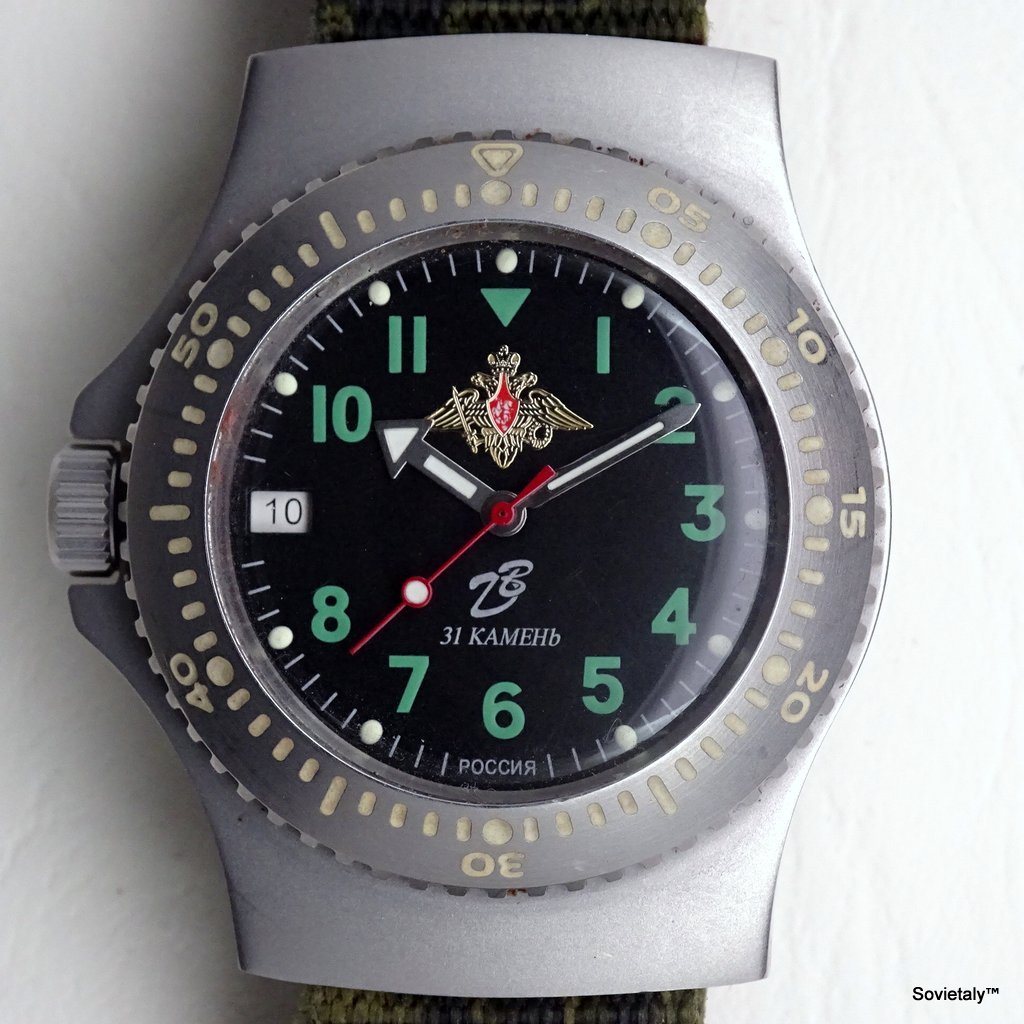
The center was designed to provide comprehensive training to cosmonauts, including flight simulations, microgravity exercises, and intensive physical training. The center’s facilities include centrifuges to simulate gravitational forces during takeoff and landing, pools for extravehicular activity training, and spacecraft simulators.
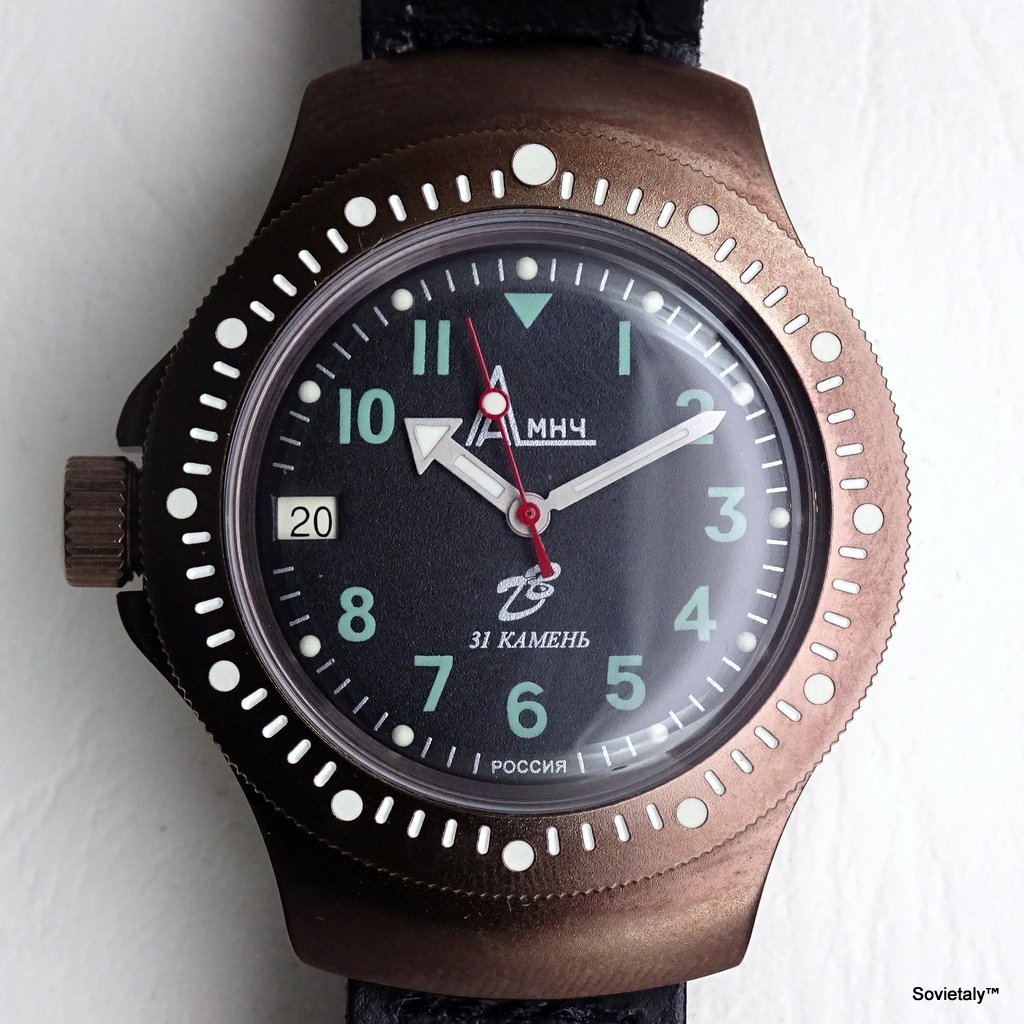
The Cosmonaut Training Center played a crucial role during the space race, preparing cosmonauts for critical missions such as those of the Vostok, Voskhod, and Soyuz spacecraft. It has significantly contributed to the success of the Soviet space program and continues to be a pillar of Russian space training. For more information, visit RussianSpaceWeb.
Yuri Gagarin’s Achievement
Yuri Gagarin, the first man to orbit the Earth on April 12, 1961, made the Cosmonaut Training Center famous worldwide. Gagarin became a global symbol of courage and innovation, paving the way for future space missions and representing the pinnacle of technology and human aspiration. For more details, visit Wikipedia on Yuri Gagarin.
Alexei Leonov and the First Spacewalk
On March 18, 1965, Alexei Leonov conducted the first spacewalk, marking a milestone in space exploration. During the Voskhod 2 mission, Leonov exited the spacecraft for 12 minutes, facing the vacuum of space. His determination and courage are celebrated through the image on the watch dial. Leonov demonstrated that humans could operate outside the confines of the spacecraft. For detailed information on Leonov’s spacewalk, visit Space.com.
Luch Brand
Luch is a historic brand of Soviet horology, known for producing high-quality watches since 1953. The factory, located in Minsk, Belarus, maintained significant production throughout the Soviet era and continues to operate today, producing watches appreciated both nationally and internationally. For the full history of the Luch brand, visit Luch.by.
The Luch 2356 caliber is a quartz movement known for its reliability and precision. This caliber has been used in various Russian watches, such as Chaika, Luch, Slava, Uglich, and Raketa. The Luch 2356 caliber uses a 371 battery, making it easy to maintain.
Дмитрий Бродниковский-уникальные каменные часы Ракета-Big Zero Зеро из нефрита СССР ПЧЗ
In the video titled “Дмитрий Бродниковский-уникальные каменные часы Ракета-Big Zero Зеро из нефрита СССР ПЧЗ” (translation: “Dmitry Brodnikovskiy – Unique Rare Raketa-Big Zero Zero Jade Stone Watches USSR PChZ”), Dmitry Brodnikovskiy guides us through the discovery of a particularly rare watch: the RaketaBig Zero with jade dials, produced in the late 1980s.
Key Features
Dial: Made of natural jade with a thickness of 0.5 mm, each dial boasts a unique and unrepeatable texture. Available colors include yellow and classic chrome.
Case: Brass with chrome plating for classic models or titanium nitride for yellow ones, with a diameter of 38 mm, typical for the Big Zero series.
Movement: Raketa caliber 2609, featuring a high triple minute and a high hour wheel to accommodate the thickness of the dial.
Hands: Nickel-plated for chrome models and identical to those of the classic Zero model with a white dial for yellow ones.
Limited Edition: These watches were produced in limited quantities, not available for general sale, and were made to order, mainly for the Italian market.
Variants: In addition to jade dials, the Big Zero model was produced with perestroika-themed dials and with the quality mark.
Details on Titanium Nitride Case Models
Models with titanium nitride cases stand out for some peculiar features:
Dial: Yellow with black numbers, indexes, scale, and hands.
Hands: Identical to those of the classic Zero model with a white dial.
Raketa Watch Factory
Located in the city of Petrodvorets near St. Petersburg, the Raketa watch factory has written an important page in Soviet watchmaking history. Initially a supplier for the army, Raketa soon distinguished itself for its ability to combine tradition and innovation, creating not only functional timepieces but also design masterpieces. Among its most iconic creations are watches with stone dials, authentic handcrafted jewels that represent an invaluable cultural heritage.
A Laboratory of Experimentation and Beauty
The genesis of Raketa’s stone dials dates back to the first workshop of the Petrodvorets watch factory. Here, skilled craftsmen engaged in meticulous research for alternative materials for watch dials, experimenting with various natural stones. The goal was to create timepieces that were not only durable and functional but also aesthetically unique and capable of telling the story and beauty of the earth.
Unparalleled Aesthetics: The Charm of Stone
Among Raketa’s stone dial models, one in particular captures attention for its extraordinary beauty. The presenter of the video describes it as the most beautiful in the collection, enchanted by the saturation of colors and the unique and unrepeatable texture of the stone. Each dial, in fact, represents a unique piece, the result of meticulous craftsmanship and the unpredictability of nature itself. The stone, with its veins and inclusions, becomes the absolute protagonist, giving the watch an unmistakable identity and timeless charm.
A Heritage of Tradition and Reliability
In addition to their unparalleled aesthetic value, Raketa stone dial watches also boast solid and reliable construction. All models in the collection feature organic glass, chrome cases, stainless steel case backs, and the robust Raketa caliber 2609 mechanical movement. These elements ensure not only refined aesthetics but also longevity, making them precious objects to be carefully preserved even today.
A Piece of History to Be Passed Down
Today, Raketa stone dial watches are considered rare collectible items, sought after by enthusiasts and lovers of Soviet craftsmanship. They represent a tangible testimony of an era when ingenuity and creativity came together to create objects that were not only functional but also true works of art. Their timeless beauty and fascinating history make them true treasures to be passed down from generation to generation.
A Legacy That Lives On Today
Raketa’s legacy lives on today in the spirit of innovation and research that animates the brand. It continues to produce high-quality watches, appreciated for their unique design and high performance. However, stone dial watches remain a standalone chapter in the factory’s history, an indelible symbol of the ingenuity and craftsmanship that have made Raketa a legendary name in the world of watchmaking.
Soviet clock production is not limited to wristwatches but includes a vast range of table clocks, wall clocks, cuckoo clocks, and alarm clocks. These clocks often feature unique designs and are surprisingly delicate and graceful. Although I am not an expert, I want to share a fascinating personal experience that greatly increased my appreciation for these timepieces.
Historical Context
In post-war Europe and the Soviet Union, mechanical alarm clocks and wall clocks were essential household items, unlike today’s more luxury-oriented perspective. Reliable mechanical clocks, whether on the wall or bedside, were crucial for regulating daily life in a community. Wristwatches were often scarce and expensive, especially in remote, less industrialized regions. The planned economy of the Soviet Union recognized and industrialized this need.
My Personal Experience
This interest stemmed from a random encounter on social media. Recently, while exploring my Instagram feed, I came across images of a beautiful table clock under repair, which immediately caught my attention. Amidst a sea of Russian wristwatches, these large mechanisms stood out, captivating me.
I discovered the Instagram account old_clock_ussr, which belongs to a passionate individual named Roman. His love for restoring these vintage clocks is evident, and his profile is worth exploring for anyone interested.
Who is old_clock_ussr?
I can tell you a bit about myself and how my hobby started. It all began in my early childhood; probably somewhere in my subconscious, I remembered how my father was engaged in repairing clocks. I lived and still live in the city of Samara (Kuibyshev); in this city was one of the largest watch factories, ZIM, where my father worked. After the collapse of the Soviet Union, all industries began to be looted and closed; it was painful to see how once great people and the country began to sink into poverty and injustice. Well, but let’s not talk about that here. Years passed, I grew up, became the head of a family, and my wife and I had a son. He is now 3 years old. During this time, I studied civil engineering and rose to the position of manager. Just last year, on August 25, while walking through the flea market with my family early on a Saturday morning, I saw a clock on an old man’s stall lying in a pile of junk. It was magnificent; the condition was excellent, and the 1970s design struck me immediately. I took this desk clock and was pleasantly surprised that it worked not with a battery but with the help of mechanics. Two months later, I unfortunately had a heart attack. I was in intensive care and thought about how lucky I was to be alive and that I would soon be with my family: my son, my wife, and my parents. During the time spent in the hospital, I really missed my hobby. Before my illness, I only had three clocks in my collection. But in just a few months, precisely three, it grew to 30 pieces. I love my hobby, and my family supports me in everything. I buy clocks that need repairs, abandoned, broken, I bring them home and give them a second life. I really hope that my son will be interested in this when he grows up, because some of these clocks will be 100 years old and more?!!!
For more on Soviet clocks and Roman’s restorations, visit his Instagram profile
Types of Soviet Clocks
Soviet clocks come in various forms, making it challenging to categorize them all. However, they can be grouped into several main categories:
Table clocks
Wall clocks
Pendulum clocks
Bedside alarms
Travel alarms
Street clocks
Clocks for municipalities and bell towers
Many Soviet factories had dedicated departments for designing and manufacturing these clocks. Notable brands include Slava, Jantar, Vesna, Druzhba, Oryol Watch Factory, Rostov, and Vostok. Some desk clocks even utilized wristwatch movements from brands like Raketa and Zim.
Clock Movements
The movements of these clocks differ significantly from wristwatch calibers, being larger and simpler due to their size. This allows for greater precision and features like hourly chimes or musical alarms, adding to their charm.
Conclusion
While my collection of Soviet table clocks and alarms is modest compared to Roman’s, I treasure the few pieces I have. Finding these clocks in Italy is challenging due to their size and weight, but I hope to expand my collection in the future.
In the vast world of Soviet watches, each model possesses its own “passport,” a fundamental document that accompanies the watch and provides technical details, usage instructions, and warranty information. However, there are different models of passports depending on the brand and model of the watch. In this article, we will analyze the various parts of the passports of some iconic models such as the VostokAmphibia, Molnija, and Zaria, providing transcriptions and translations to facilitate understanding.
Each passport is composed of two sides, each of which is divided into 4 or 5 sections. We will proceed with a detailed analysis of each side, illustrating the main parts, providing Cyrillic transcriptions and corresponding English translations. At the end of the transcription and translation of both sides, I will provide a discursive explanation of the content and use of the passport. Additionally, some codes and technical details will be linked to other articles on my blog for further insights.
Vostok Amphibia – 2409A
Fronte
Top Left Section
Transcription:
Чистопольский часовой завод
422950, ТССР г. Чистополь, ул. Энгельса, 127.
ТАЛОН № 1
на гарантийный ремонт часов наручных механических
«ВОСТОК-АМФИБИЯ» 2409А
в течение гарантийного срока
CERTIFICATE OF ACCEPTANCE
The mechanical wristwatch «Vostok-Amphibia» meets the requirements of TU 25-07.1347-77 and is deemed suitable for use.
Technical Data and Instructions
Transcription:
ТЕХНИЧЕСКИЕ ДАННЫЕ
Класс точности – 1.
Средний суточный ход часов при температуре (20±5)°С в пределах от минус 20 до плюс 40 с/сут.
Число функциональных камней – 17.
Продолжительность действия часов от одной полной заводки пружины не менее 40 час.
Максимальная глубина погружения часов в воду не более 200 м.
Средний полный срок службы часов – 10 лет.
Часы “Восток-Амфибия” с централизованной секундной стрелкой.
Часы в водопроницаемом корпусе из нержавеющей стали, подверженные магнитным полям напряженностью 480±60 А/м.
ИНСТРУКЦИИ ПО ЭКСПЛУАТАЦИИ
Перед эксплуатацией часов, внимательно прочтите инструкцию. Часы предназначены для эксплуатации в пресной и соленой воде, в общем и грязной воде.
Для завода часов, отвинтите заводную головку и немного вытяните ее в сторону направления стрелки.
Для перевода стрелок, вытяните заводную головку в сторону и поверните ее в направлении стрелок до необходимого времени. Поверните заводную головку в исходное положение и полностью заверните.
Для завода часов, поверните заводную головку в обратном направлении до упора. Сверните заводную головку до конца.
Обращайте внимание, что вокруг заводной головки всегда есть кольцо воды.
Translation:
TECHNICAL DATA
Accuracy class – 1.
The average daily variation of the watch at a temperature of (20±5)°C ranges from -20 to +40 sec/day.
Number of functional rubies – 17.
Duration of operation of the watch with one full wind of the spring is at least 40 hours.
Maximum diving depth of the watch is no more than 200 m.
Average total service life of the watch is 10 years.
“Vostok-Amphibia” watches with a centralized second hand.
Watches in a waterproof case made of stainless steel, resistant to magnetic fields with an intensity of 480±60 A/m.
INSTRUCTIONS FOR USE
Before using the watch, carefully read the instructions. The watch is designed for use in fresh and salt water, in general and dirty water.
To wind the watch, unscrew the crown and pull it slightly in the direction of the arrow.
To set the hands, pull the crown out and turn it in the direction of the hands until the desired time. Return the crown to its original position and tighten it completely.
To wind the watch, turn the crown in the opposite direction until it stops. Screw the crown completely.
Note that there is always a ring of water around the crown.
Top Right Section
Transcription:
Чистопольский часовой завод
422950, ТССР г. Чистополь, ул. Энгельса, 127.
ТАЛОН № 2
на гарантийный ремонт часов наручных механических
«ВОСТОК-АМФИБИЯ» 2409А
в течение гарантийного срока
COUPON № 2
for warranty repair of mechanical wristwatches
«VOSTOK-AMPHIBIA» 2409A
during the warranty period
Sold by store (trade name) _________
Store stamp ________________ 19___year
Work performed to correct deficiencies:
(signature) ____________ (date) _______________
Owner _______________ (signature) _______________
Approved by:
Head of workshop ___________ (signature) ____________
Stamp (name of household appliance) _______________
Date _______________ 19___year (signature) ____________
Bottom Section
Transcription:
Шифр внешнего оформления
Номер участка (бригад)
Дата выпуска
Шифр внешнего оформления
Номер участка (бригад)
Номер часов
Дата выпуска
Покрытие корпуса
золота серебра – Содержание драгоценных метал., г.
Свободная розничная цена
Артикул
КОД ОКД
Шифр внешнего оформления
Номер участка (бригад)
Дата выпуска
Translation:
External finish code
Site number (brigade)
Release date
External finish code
Site number (brigade)
Watch number
Release date
Case coating
gold silver – Precious metal content, g.
Retail price
Article
OKD code
External finish code
Site number (brigade)
Release date
Retro
Back of Passport – Block 1
Transcription:
Дает право на бесплатный гарантий-
ный ремонт часов в течение гарантий-
ного срока.
Виды работ поддержуки:
1. Разборка и промывка механизма с
заменой деталей и узлов
2. Разборка и промывка механизма без
замены деталей и узлов.
При отрыве талона мастерская ставит
на паспорте штамп и дату, что дает
право потребителю в случае некачествен-
но выполненных работ на повторное бес-
платное исправление часов в той же ма-
стерской.
При отправке часов в гарантийную ма-
стерскую часового завода почтовой по-
сылкой потребитель должен кратко опи-
сать причину, по которой он направляет
часы, и приложить справку гарантийной
мастерской. Посылку следует отправлять
без “наложенного платежа”.
Владелец и его адрес
Подпись
Translation:
Entitles to free warranty
repair of watches during the warranty
period.
Types of supported work:
1. Disassembly and washing of the mechanism with
replacement of parts and units
2. Disassembly and washing of the mechanism without
replacement of parts and units.
When detaching the coupon, the workshop places
a stamp and date on the passport, which gives
the consumer the right, in case of poorly
performed work, to a free correction of the watch in the same
workshop.
When sending the watch to the warranty
workshop of the factory by mail, the consumer must briefly
describe the reason for sending the watch and attach the
warranty workshop certificate. The package should be sent
without “cash on delivery”.
Owner and address
Signature
Back of Passport – Block 2
Transcription:
—переведите стрелки вращением головки, после установки
стрелок головку заверните.
Для замера времени в пределах часа началу шкалы пово-
ротного ранта совместите с минутной стрелкой и отсчет веди-
те по шкале ранта.
Для сохранения свечения светосостава не подвергайте ци-
ферблат длительному воздействию солнечных лучей.
Для надежного функционирования часов соблюдайте сле-
дующие правила:
— оберегайте часы от падения, резких ударов, от воздействия
химических продуктов;
— не открывайте корпус часов во избежание попадания пыли
и грязи в механизм;
— при отвинчивания заводной головки убедитесь в отсутствии
капель воды вокруг неё;
— не отвинчивайте заводную головку часом, находящихся в
воде;
— перед погружением в воду убедитесь, что заводная головка
полностью завернута.
Часы рассчитаны на долговечный срок службы с периодиче-
ской чисткой, смазкой и регулировкой, не реже одного раза
в три года в послегарантийный период эксплуатации.
Translation:
—Set the hands by turning the crown, after setting
the hands, tighten the crown.
To measure the time within an hour, align the start of the scale of the
rotating bezel with the minute hand and count according to the bezel scale.
To preserve the luminescence of the luminescent composition, do not expose the
dial to direct sunlight for a long time.
For reliable operation of the watch, follow these
rules:
— protect the watch from drops, sharp impacts, and exposure to
chemical products;
— do not open the case of the watch to avoid getting dust and
dirt into the mechanism;
— when unscrewing the crown, make sure there are no
water drops around it;
— do not unscrew the crown while the watch is in
water;
— before immersing in water, make sure the crown
is fully tightened.
The watch is designed for a long service life with periodic
cleaning, lubrication, and adjustment, at least once
every three years during the post-warranty period of use.
Back of Passport – Block 3
Transcription:
ГАРАНТИЙНЫЕ ОБЯЗАТЕЛЬСТВА
Гарантийный срок эксплуатации часов — 1 год со дня про-
дажи через розничную торговую сеть.
Гарантия не распространяется на часы:
без паспорта;
с истекшим сроком гарантии;
с нарушением правил эксплуатации, указанных в настоя-
щем паспорте.
Адрес гарантийной мастерской завода: 422950, ТССР,
г. Чистополь, ул. Энгельса, 127, часовой завод.
Не качественные часы обмениваются в магазине согласно
«Правилам обмена промышленных товаров».
Translation:
WARRANTY OBLIGATIONS
The warranty period of the watch is 1 year from the date of
sale through the retail network.
The warranty does not apply to watches:
without a passport;
with an expired warranty period;
with violations of the operating rules indicated in the
passport.
Address of the factory warranty workshop: 422950, TSSR,
Chistopol, Engels Street, 127, watch factory.
Defective watches are exchanged in the store according to the
«Rules for the exchange of industrial goods».
Back of Passport – Block 4
Transcription:
Дает право на бесплатный гарантий-
ный ремонт часов при котором произво-
дятся работы без разборки механизма.
Владелец и его адрес:
Подпись
ЛИНИЯ ОТРЕЗА
Требуйте при изъятии талона заполнения корешка
Translation:
Entitles to free warranty
repair of watches during which
work is carried out without disassembling the mechanism.
Owner and address:
Signature
LINE OF CUTTING
Require the completion of the stub when removing the coupon
Front of the Passport
Basic Information and Warranty: The passport begins with basic information about the Chistopol watch factory, providing the complete address. The watch model, “Vostok-Amphibia” caliber 2409A, is specified, and the date of sale is indicated with the shop stamp and the owner’s signature.
Technical Data: The technical characteristics of the watch are listed, including the accuracy class, the average daily variation, the number of functional rubies, and the duration of operation with a full wind. Additionally, the maximum diving depth and the total service life of the watch are indicated.
Usage Instructions: The instructions explain how to properly use the watch, including how to wind it, set the hands, and ensure the crown is securely screwed before immersion in water. The importance of avoiding prolonged exposure to direct sunlight to preserve the dial’s luminosity is emphasized.
Bottom Section: The bottom section of the passport contains various codes and numbers related to the external finish, site number, release date, watch number, case coating, precious metal content, retail price, and item number.
Back of the Passport
Warranty Obligations: The back of the passport begins with a section dedicated to warranty obligations. It specifies that during the warranty period, the watch is repaired free of charge by presenting the manufacturer’s workshop certificate, the commercial organization’s stamp, the date of sale, and the owner’s signature. However, the warranty does not cover the glass, strap, bracelet, case (metal), and mechanisms damaged by shocks or other defects caused by the consumer.
Warranty Conditions: It is reiterated that the warranty period is 1 year from the date of sale through the retail network. The warranty does not apply to watches without a passport, with an expired warranty period, or with violations of the usage rules indicated in the passport. The address of the manufacturer’s warranty workshop is provided for any repairs.
Repair Guidelines: The document continues with repair guidelines, specifying that the free repair covers work without disassembling the mechanism. The owner is asked to properly fill out the stub when removed and to ensure no water droplets around the crown when unscrewed.
Final Notes: Finally, the passport concludes with a reminder to require the completion of the stub when removed and the owner’s signature.
Per fornire le migliori esperienze, utilizziamo tecnologie come i cookie per memorizzare e/o accedere alle informazioni del dispositivo. Il consenso a queste tecnologie ci permetterà di elaborare dati come il comportamento di navigazione o ID unici su questo sito. Non acconsentire o ritirare il consenso può influire negativamente su alcune caratteristiche e funzioni.
Funzionale
Always active
L'archiviazione tecnica o l'accesso sono strettamente necessari al fine legittimo di consentire l'uso di un servizio specifico esplicitamente richiesto dall'abbonato o dall'utente, o al solo scopo di effettuare la trasmissione di una comunicazione su una rete di comunicazione elettronica.
Preferenze
L'archiviazione tecnica o l'accesso sono necessari per lo scopo legittimo di memorizzare le preferenze che non sono richieste dall'abbonato o dall'utente.
Statistiche
L'archiviazione tecnica o l'accesso che viene utilizzato esclusivamente per scopi statistici.L'archiviazione tecnica o l'accesso che viene utilizzato esclusivamente per scopi statistici anonimi. Senza un mandato di comparizione, una conformità volontaria da parte del vostro Fornitore di Servizi Internet, o ulteriori registrazioni da parte di terzi, le informazioni memorizzate o recuperate per questo scopo da sole non possono di solito essere utilizzate per l'identificazione.
Marketing
L'archiviazione tecnica o l'accesso sono necessari per creare profili di utenti per inviare pubblicità, o per tracciare l'utente su un sito web o su diversi siti web per scopi di marketing simili.
Per fornire le migliori esperienze, utilizziamo tecnologie come i cookie per memorizzare e/o accedere alle informazioni del dispositivo. Il consenso a queste tecnologie ci permetterà di elaborare dati come il comportamento di navigazione o ID unici su questo sito. Non acconsentire o ritirare il consenso può influire negativamente su alcune caratteristiche e funzioni.
Funzionale
Always active
L'archiviazione tecnica o l'accesso sono strettamente necessari al fine legittimo di consentire l'uso di un servizio specifico esplicitamente richiesto dall'abbonato o dall'utente, o al solo scopo di effettuare la trasmissione di una comunicazione su una rete di comunicazione elettronica.
Preferenze
L'archiviazione tecnica o l'accesso sono necessari per lo scopo legittimo di memorizzare le preferenze che non sono richieste dall'abbonato o dall'utente.
Statistiche
L'archiviazione tecnica o l'accesso che viene utilizzato esclusivamente per scopi statistici.L'archiviazione tecnica o l'accesso che viene utilizzato esclusivamente per scopi statistici anonimi. Senza un mandato di comparizione, una conformità volontaria da parte del vostro Fornitore di Servizi Internet, o ulteriori registrazioni da parte di terzi, le informazioni memorizzate o recuperate per questo scopo da sole non possono di solito essere utilizzate per l'identificazione.
Marketing
L'archiviazione tecnica o l'accesso sono necessari per creare profili di utenti per inviare pubblicità, o per tracciare l'utente su un sito web o su diversi siti web per scopi di marketing simili.